At first glance, MLB might sound like it belongs strictly inside stadiums, scoreboards, and baseball culture. But over the last decade, it has quietly moved far beyond the field. Today, the brand known as MLB has become part of everyday streetwear identity, especially across Asia’s fashion-forward cities where sports aesthetics and lifestyle culture overlap.
What makes MLB interesting is not just its connection to baseball, but how it transforms team logos, caps, and athletic silhouettes into a fashion system that feels urban, expressive, and highly visual. It sits in a space where sport is no longer about performance alone, but about personal style, cultural signals, and visual storytelling.
When Baseball Logos Became a Fashion Code
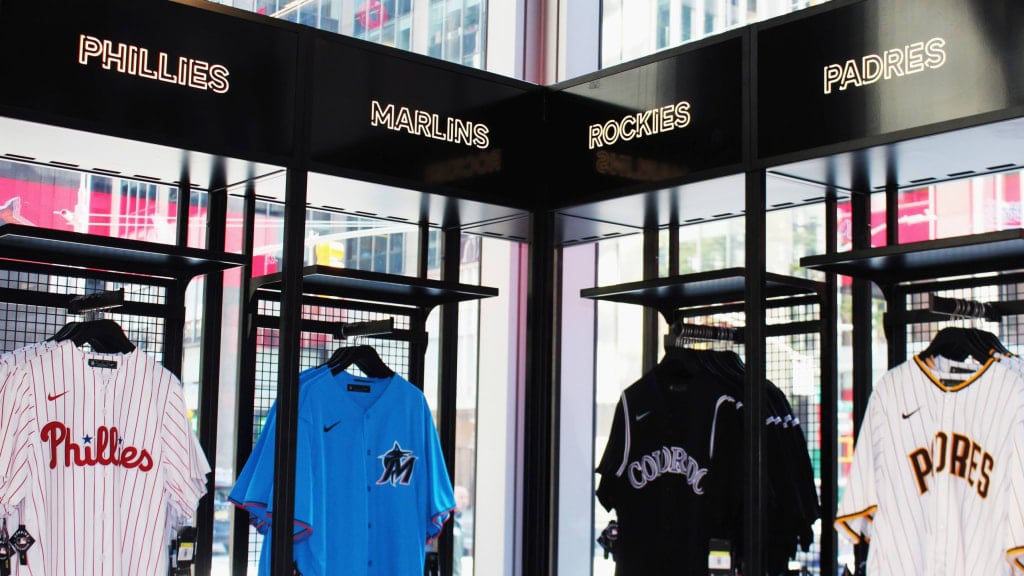
There was a time when sports merchandise was worn only by fans on game days. Jerseys meant loyalty, caps meant support, and everything stayed within the stadium environment. That boundary has almost disappeared.
MLB played a major role in that shift by turning iconic baseball team symbols into everyday style elements. Caps with bold lettering, oversized hoodies, and monogram-inspired designs became part of a visual language that people wear not because they follow a team, but because they connect with the aesthetic.
This transformation reflects a broader change in fashion: identity is no longer tied only to profession or status, but to culture, mood, and visual expression.
The Rise of “Sport-Lifestyle” as a Global Trend
Streetwear today is not just about skate culture or luxury branding anymore. It increasingly pulls from sports heritage, especially American leagues like baseball, basketball, and football.
MLB sits directly in this crossover zone. It takes inspiration from Major League Baseball heritage and reinterprets it through modern silhouettes and seasonal collections. The result is clothing that feels sporty but styled for city life.
This hybrid identity works because modern consumers want versatility. An outfit is no longer for one occasion. It needs to move from daytime errands to nightlife, from travel to casual work environments, without feeling out of place.
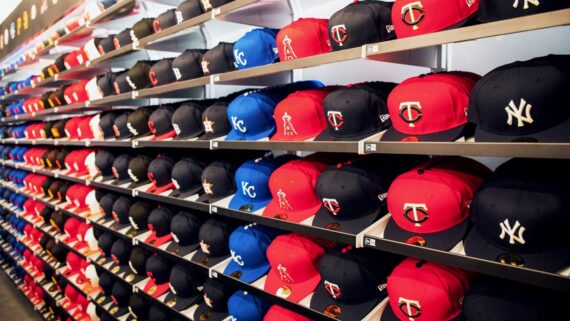
Why Caps Became the Core Symbol of the Brand
If there is one item that defines the visual identity of MLB, it is the cap. Baseball caps have always existed, but their cultural meaning has expanded dramatically.
In streetwear, caps are no longer just functional. They are statements. They frame identity, signal taste, and often act as the centerpiece of an outfit.
MLB elevated this by offering bold variations, oversized logos, and stylized team references that feel more fashion-driven than sports-specific. The cap becomes less about supporting a team and more about building a recognizable aesthetic.
In many urban fashion scenes, the cap is now as essential as sneakers.
The Influence of Asian Street Culture on MLB’s Growth
While baseball is deeply rooted in American tradition, the fashion identity of MLB has been strongly shaped by Asian street culture, particularly in Korea, China, and Southeast Asia.
Here, fashion tends to blend luxury cues with playful street aesthetics. Oversized silhouettes, graphic-heavy designs, and bold branding are widely embraced. MLB adapted naturally into this environment by leaning into expressive visuals and collectible-style drops.
This regional influence helped the brand evolve into something more than sportswear. It became part of youth culture, music influence, and social media-driven styling. In many cases, MLB pieces are worn as lifestyle markers rather than sports merchandise.
From Stadium Culture to Everyday Expression
One of the most interesting shifts in modern fashion is how sport has become part of daily identity expression. People no longer need to attend a game to wear team-inspired clothing. Instead, the clothing itself carries cultural meaning.
MLB reflects this shift clearly. Its designs are worn in cafes, campuses, airports, and city streets. The brand exists in a space where comfort, recognition, and visual impact intersect.
This makes it especially relevant for younger consumers who want clothing that communicates personality without needing explanation. A logo, a silhouette, or a colorway becomes a quick form of self-expression in fast-moving urban environments.
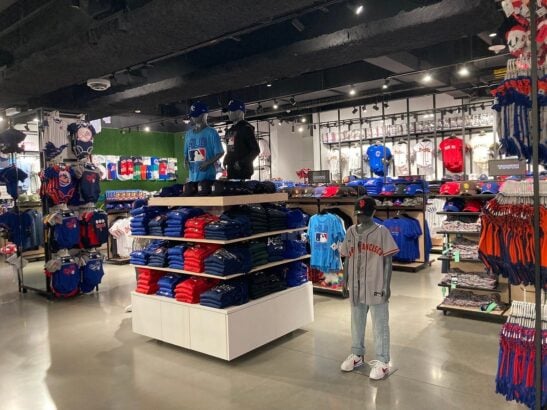
What Makes MLB Stand Out in a Crowded Streetwear Market
Streetwear is one of the most competitive segments in fashion. Luxury brands, sportswear giants, and independent labels all compete for attention. What helps MLB stand out is its consistent focus on heritage-inspired identity combined with trend-driven execution.
Instead of trying to reinvent sportswear completely, it reinterprets familiar elements in a way that feels current. This balance between familiarity and novelty is what keeps it visually relevant.
Another key factor is accessibility. While some streetwear brands operate in limited, high-barrier drops, MLB often sits in a more wearable, everyday price-to-style range, making it easier for wider audiences to engage with the aesthetic.
When a League Becomes a Lifestyle
The evolution of MLB shows how deeply fashion and culture are now intertwined. What began as sports heritage has become a visual identity system that extends far beyond baseball itself.
In today’s world, clothing is no longer just about function or fandom. It is about how people present themselves in a crowded, digital-first environment where style communicates instantly. MLB’s success lies in understanding this shift early and building a brand that feels both familiar and expressive.
As streetwear continues to evolve, MLB remains part of a larger movement where sport is no longer just watched. It is worn, styled, and lived every day.