The wellness industry has become noisy. Every week, there seems to be a new miracle powder, restrictive challenge, celebrity-backed supplement, or “life-changing” routine promising instant transformation. Yet despite all the advice online, many people still feel exhausted, overwhelmed, and stuck in cycles that never truly improve their long-term health.
That frustration is exactly why platforms like bmiMD are gaining attention right now. Instead of focusing only on aesthetics or extreme dieting culture, the brand leans into a more modern wellness approach that combines medical guidance, metabolic health support, weight management tools, and wellness-focused treatments in a way that feels more connected to real everyday life. In a moment where consumers are craving practical solutions instead of empty hype, that shift matters more than ever.
Wellness Burnout Is Real and People Are Finally Talking About It
For years, health culture pushed an all-or-nothing mindset. People were encouraged to chase perfection through strict meal plans, punishing workouts, and unrealistic body expectations. The result? Many ended up feeling discouraged rather than healthier.
That’s why the rise of platforms like bmiMD reflects a broader cultural shift happening in wellness right now. More consumers are prioritizing sustainable progress instead of fast but temporary transformations. The focus has slowly moved toward energy levels, metabolic support, sleep quality, digestive health, and long-term lifestyle improvement.
According to the company’s wellness platform information, bmiMD offers evidence-based wellness support through programs involving metabolic health, anti-aging support, prescription wellness plans, supplements, and coaching. What makes that approach stand out is how it acknowledges that health is rarely one-dimensional.
Consumers today are asking smarter questions before committing to wellness programs, including:
- Is the approach realistic long term?
- Does it address real lifestyle challenges?
- Is medical guidance involved?
- Are the ingredients or treatments transparent?
- Does it focus on overall wellness, not just appearance?
- Can it fit into an already busy schedule?
Those questions reflect a much more informed wellness audience than even a few years ago.
The GLP-1 Conversation Changed Everything
One of the biggest health conversations in recent years has centered around GLP-1-related treatments and metabolic health support. What began as a niche medical discussion quickly expanded into mainstream awareness because many people finally started seeing obesity and weight management as complex medical and metabolic issues rather than simple willpower failures.
bmiMD has become part of that conversation by offering GLP-1-related wellness programs, compounded semaglutide options, tirzepatide programs, and supportive metabolic health solutions. The growing interest around these treatments reflects how consumers are increasingly seeking medically guided support instead of relying solely on fad diets.
At the same time, people are also becoming more aware that medication alone is rarely the full picture. Digestive support, energy management, nutritional habits, and behavioral changes still play huge roles in sustainable wellness.
That broader support system is where many wellness platforms now differentiate themselves. Instead of focusing on one quick fix, they are building ecosystems around long-term health improvement.

Why Digestive Health Became a Bigger Priority Than People Expected
For a long time, digestive health conversations stayed mostly in the background. Now, gut health has become one of the most discussed areas in wellness because people are increasingly connecting digestion to energy, mood, metabolism, and overall daily comfort.
One example from bmiMD is its Natural Digestive Support supplement, which is positioned to support digestive comfort and help manage gastrointestinal side effects often associated with GLP-1 therapies. The product includes ingredients like ginger root extract and artichoke leaf extract that are commonly associated with digestive support.
That growing emphasis on digestion makes sense because many people are finally recognizing how much daily discomfort affects quality of life. Bloating, sluggish digestion, and stomach irritation can impact focus, mood, sleep, and eating habits more than people realize.
Consumers today also tend to appreciate wellness solutions that feel practical rather than overly complicated. Simpler routines often become easier to maintain consistently.
Convenience Is Quietly Becoming One of the Biggest Health Trends
Modern life has made consistency difficult. Between work schedules, digital overload, stress, and family responsibilities, many people struggle to maintain complicated health routines. That reality is reshaping how wellness brands design their services.
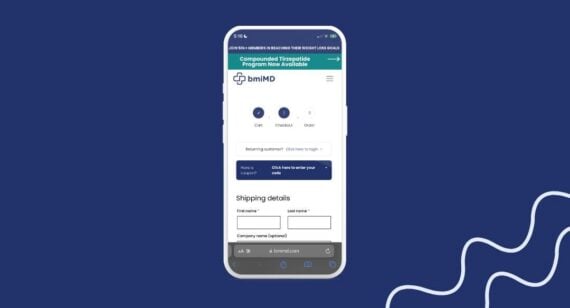
bmiMD emphasizes online accessibility, prescription delivery, and wellness support that can be managed remotely. That convenience factor is more important than it may initially seem because easier access often improves consistency.
The rise of telehealth also changed consumer expectations dramatically. Many people now prefer healthcare and wellness experiences that reduce unnecessary friction while still offering professional oversight.
Here are some reasons consumers increasingly value wellness platforms with remote accessibility:
- Easier scheduling flexibility
- More privacy and comfort
- Faster access to support
- Reduced travel time
- Simpler prescription management
- Better consistency with routines
Convenience alone is not enough to build trust, but when paired with transparency and medical guidance, it becomes highly valuable.
Consumers Are Becoming Much More Skeptical About Wellness Claims
One noticeable shift happening across the supplement and wellness space is increased consumer skepticism. People are reading labels more carefully, questioning exaggerated claims, and looking for brands that feel more grounded in real science and realistic outcomes.
That skepticism is healthy for the industry overall. Consumers no longer want vague promises or dramatic marketing language that sounds disconnected from reality.
Interestingly, online wellness discussions increasingly focus on trust and credibility instead of just trends. Even conversations within supplement business communities point to transparency, differentiation, and long-term customer trust as major factors behind successful wellness brands today.
That environment rewards brands like bmiMD, which communicate more clearly about what products are actually designed to support, instead of promising impossible transformations overnight.
The Bigger Shift Is About Feeling Better, Not Just Looking Different
One of the most important changes happening in wellness culture right now is the growing realization that health goals are becoming more personal. Many consumers are no longer chasing unrealistic beauty standards alone. They want to sleep better, move more comfortably, improve focus, support energy levels, and feel healthier in ways that actually improve daily life.
That shift explains why wellness platforms like bmiMD resonate with people seeking broader support systems instead of one-dimensional solutions. Programs connected to metabolic wellness, digestive support, energy management, and lifestyle improvement feel more aligned with how people now define modern health.
Consumers are increasingly looking for approaches that feel sustainable, flexible, and human rather than punishing or extreme. That may ultimately become one of the biggest wellness trends of all.
The Future of Wellness May Belong to Brands That Feel More Human
The wellness world does not necessarily need more noise. It needs more clarity, more honesty, and more realistic support systems for people navigating real health challenges in busy everyday lives.
What makes bmiMD relevant in today’s landscape is not just the growing interest in metabolic wellness or GLP-1 conversations. It is the broader idea that health support should feel accessible, practical, and adaptable to modern life.
Consumers are becoming smarter about what wellness actually means to them. Instead of chasing perfection, many are simply trying to feel better consistently. And honestly, that may be the healthiest shift the industry has seen in years.