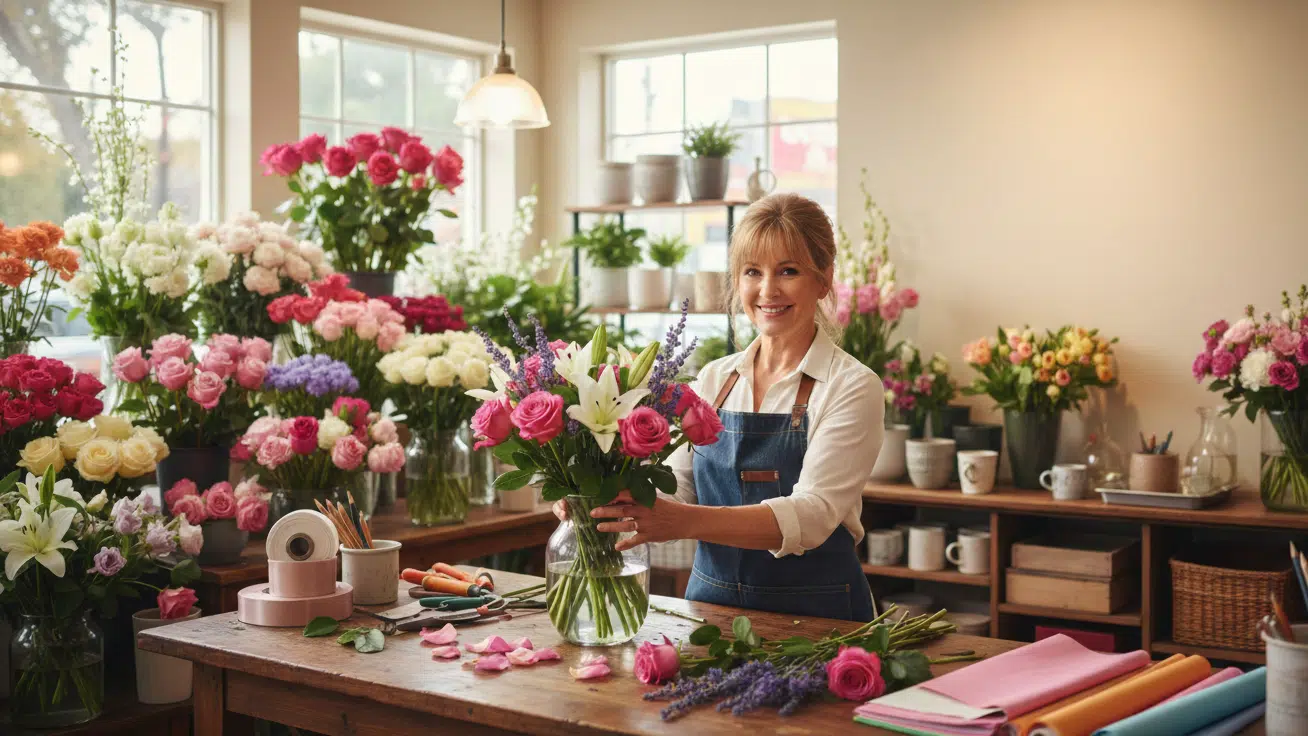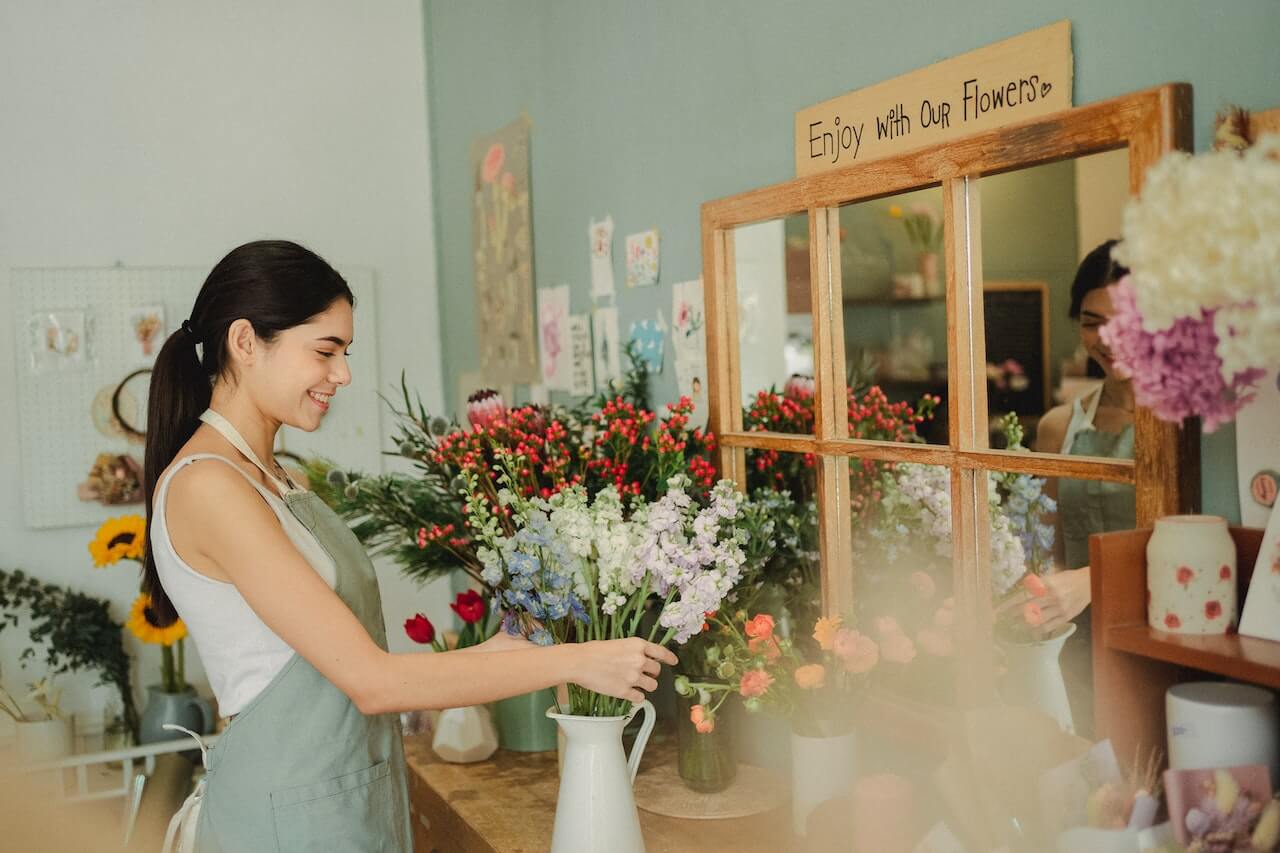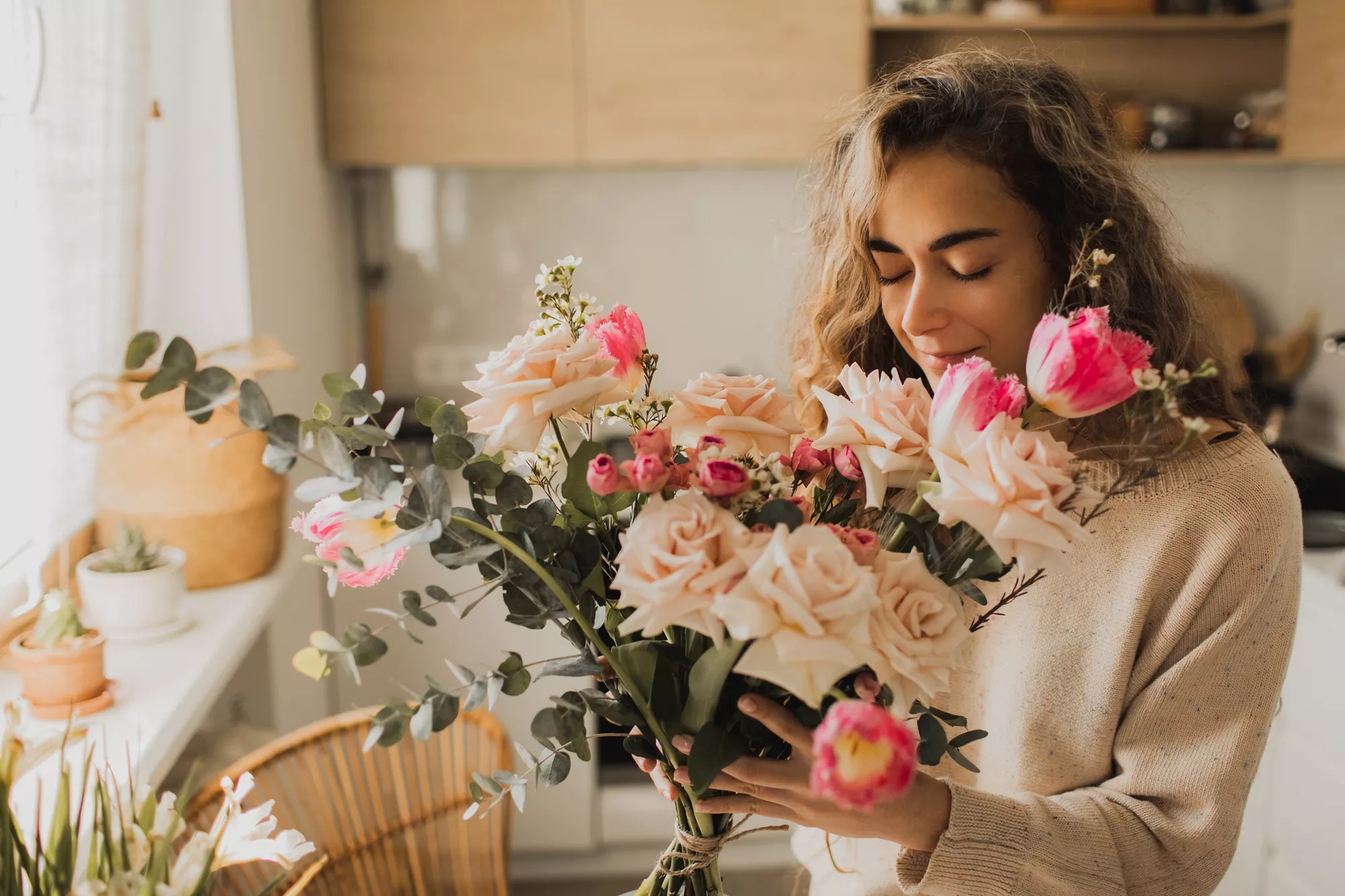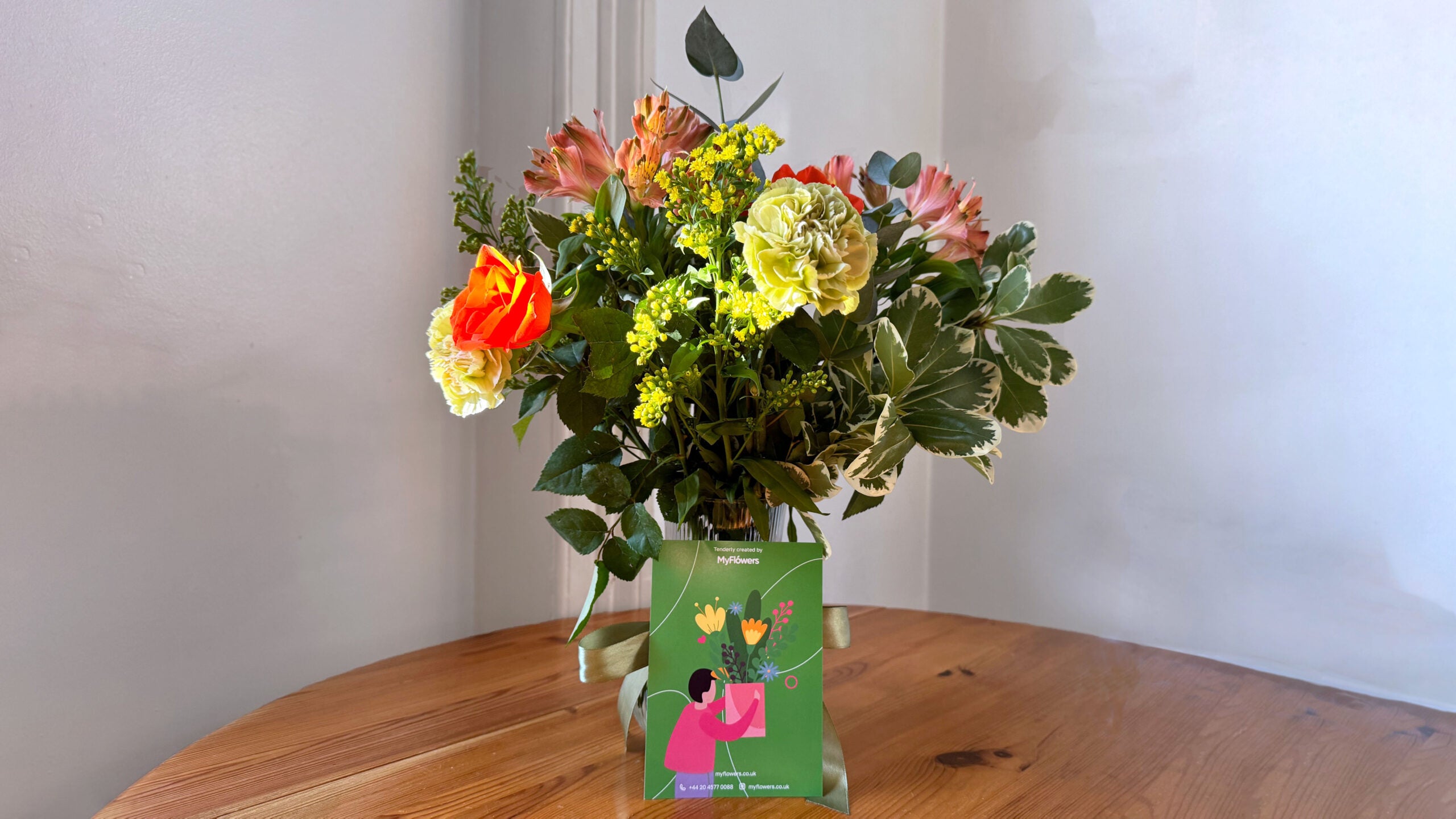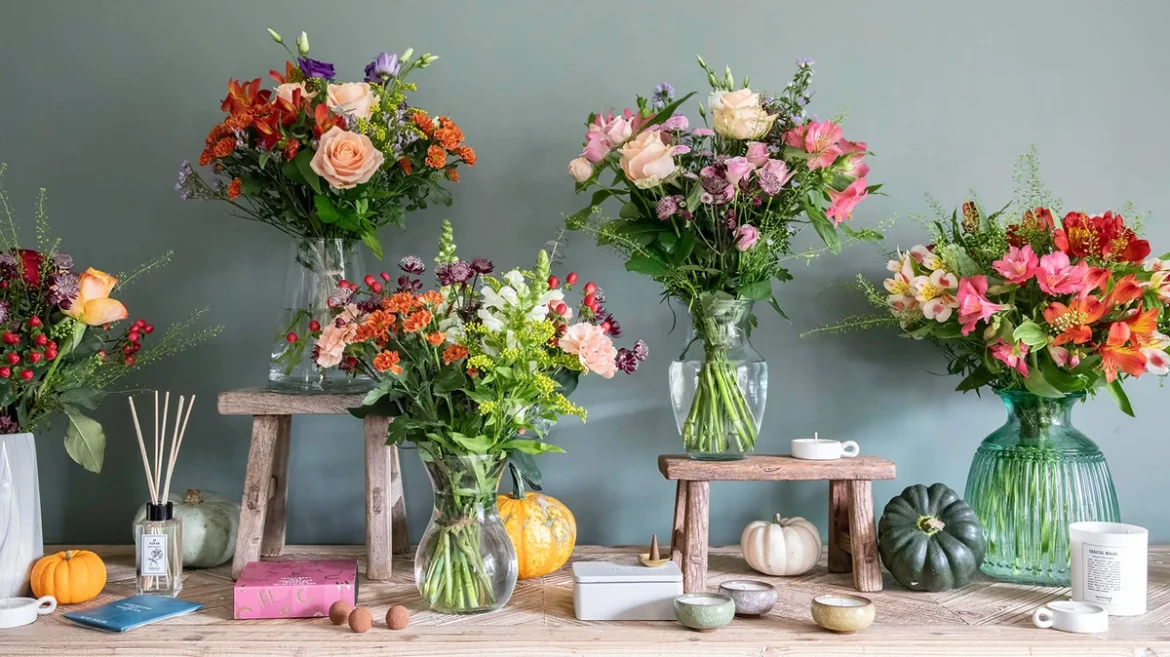
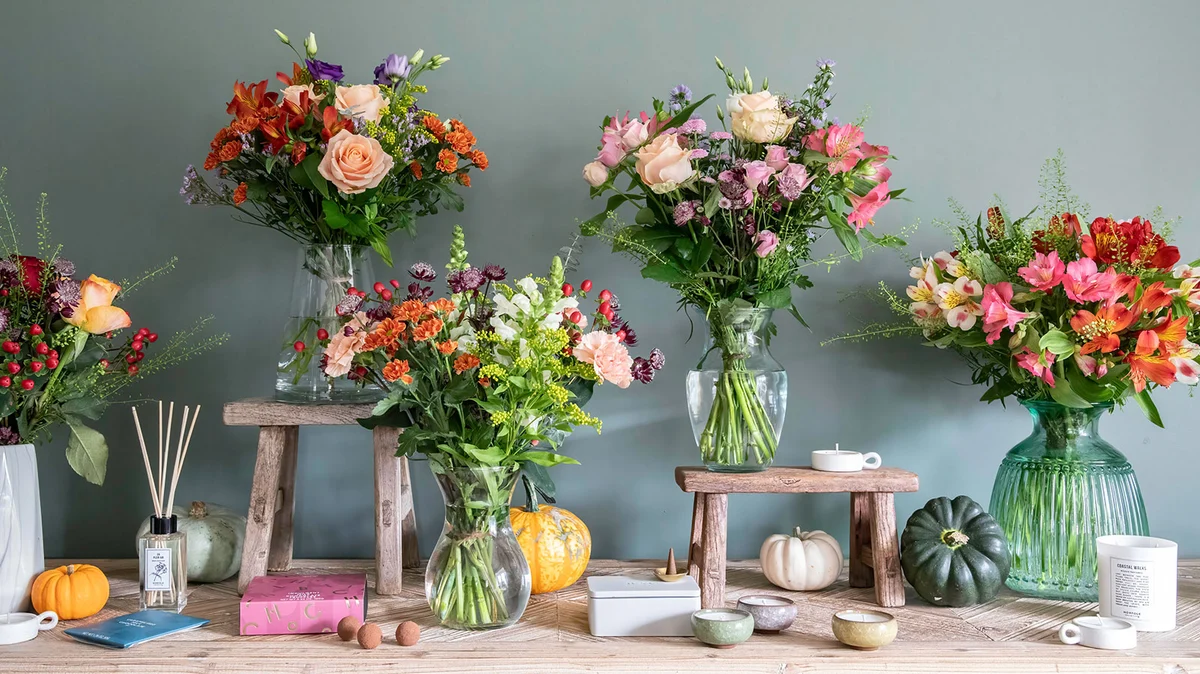
Flowers for weddings and celebrations carry a different kind of weight from everyday arrangements. They need to work at scale, across multiple contexts, table centres, ceremony arches, bouquets, buttonholes, while maintaining a consistent visual language throughout the event. Getting this right requires more thought than choosing flowers for a home, but the principles are the same seasonal availability, colour harmony, proportion and an understanding of how different varieties behave under the conditions of a long day. MyFlowers brings the same attention to quality and selection to celebration flowers as to everyday arrangements, with a range that suits everything from intimate gatherings to large formal events.
Starting with Season and Availability
The single most important factor in planning celebration flowers is whether the varieties you want will actually be available at the time of the event. Flowers have natural seasons and while global supply chains have extended what is accessible year-round, the best-quality blooms at any given moment are those that are in season locally or regionally. Choosing seasonal varieties also ensures better vase life, flowers that have not travelled vast distances to reach you are fresher and more resilient under the demands of a long event day.
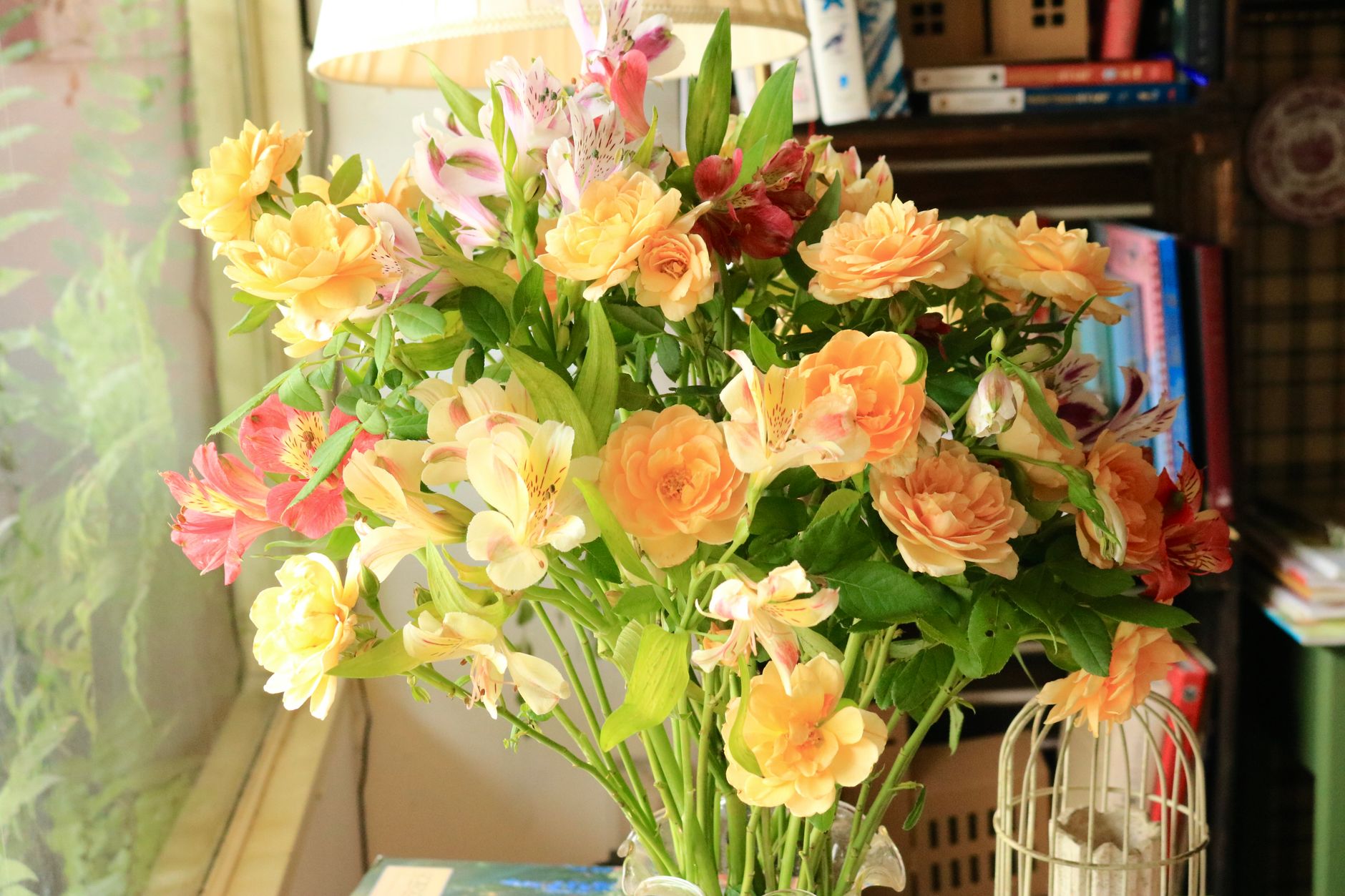
Spring celebrations have access to tulips, peonies, ranunculus, anemones and lilac, a palette of soft, romantic colours that suits the season instinctively. Summer opens up the broadest range dahlias, sweet peas, lisianthus, garden roses and sunflowers all peak during these months. Autumn brings dahlias in their darkest forms, chrysanthemums and berries, while winter offers amaryllis, hellebores and the architectural qualities of evergreen foliage. Planning celebration flowers around the season rather than against it produces arrangements that feel genuinely right for the time of year.
Thinking Through Colour at Scale
A colour palette that works beautifully in a small home arrangement can behave unexpectedly when scaled up to fill a large venue. Colours that seem harmonious in a tight bunch can clash when viewed from across a room and shades that appear bold up close can disappear into visual noise at a distance. Thinking through how a palette will read at scale, in the specific light conditions of the venue, is essential planning work.
The most reliable approach is to build around one anchor colour and support it with two or three complementary tones rather than introducing too many variables. An anchor of deep blush rose, supported by ivory and dusty mauve, will translate reliably from table centre to bouquet to buttonhole without losing its coherence. Introducing too many distinct colours, even if each is individually beautiful, tends to fragment the overall visual impression. MyFlowers can provide the volume and variety needed to carry a consistent palette through an entire event without compromising on quality across different stem types.
Matching Arrangements to Different Parts of the Event
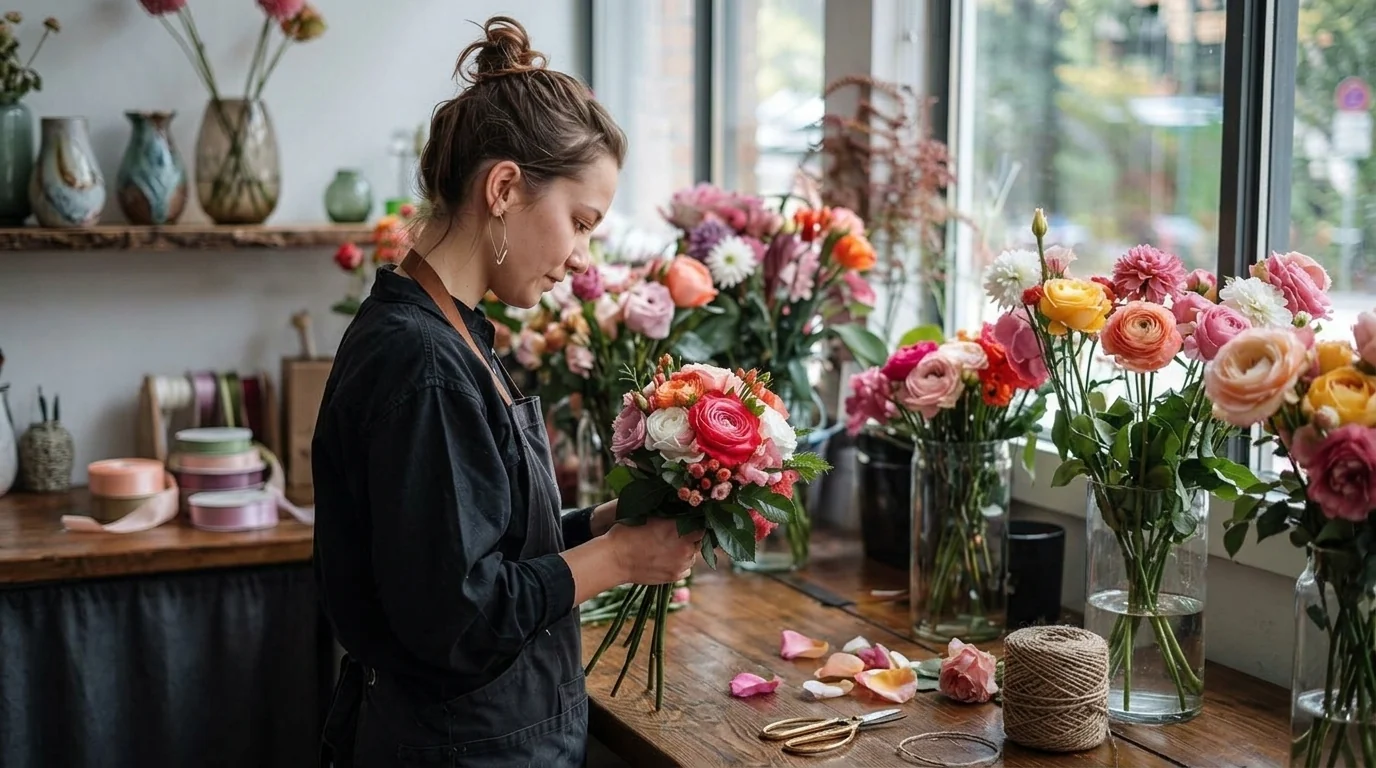
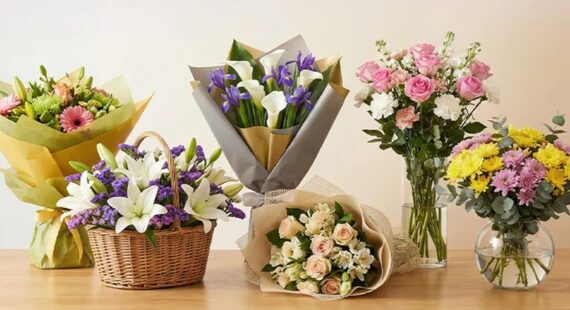
A celebration typically requires flowers in several distinct forms, each with its own practical requirements. Bouquets need to be comfortable to carry for extended periods, which means considering weight and balance alongside visual effect. Table centres need to allow conversation across the table, generally either low and spreading or tall and narrow rather than mid-height, which tends to obstruct sightlines. Ceremony arches and installations need to be structured firmly enough to remain intact through the event, which affects which varieties are appropriate.
Buttonholes and corsages are often underestimated in planning but are highly visible at close range throughout the day and need varieties that hold well without water. Hardy options like roses, waxflower and small succulents fare better than more delicate blooms. For table arrangements that will be on display for several hours in a warm venue, choosing varieties with robust vase life, lisianthus, alstroemeria, chrysanthemums, alongside more delicate show-stoppers reduces the risk of visible wilting before the event ends. MyFlowers
Scale, Volume and Lead Time
Celebration flowers require more planning lead time than everyday orders. The volume needed for a large event, particularly if specific varieties are required, may need to be reserved in advance to guarantee availability. This is especially true for flowers that are only briefly in season or that are particularly popular for celebrations, garden roses and peonies, for instance, are consistently in high demand and benefit from early ordering.
- Place orders well in advance for large events to secure the specific varieties you want.
- Request a delivery date one to two days before the event to allow time for stems to open properly.
- Order slightly more than the minimum calculated, having surplus allows for any stems that do not perform as expected.
- Plan storage for pre-event flowers in a cool, dark space away from direct sunlight and heating.
- Confirm delivery logistics carefully, flowers arriving at the wrong address or at the wrong time on a celebration day create significant stress.
Working with Foliage and Texture
Foliage is frequently treated as an afterthought in celebration flower planning, but it does substantial work in tying arrangements together and giving them a sense of depth and fullness. Eucalyptus, in its various forms, is one of the most versatile options, it carries scent, moves gracefully and suits almost any colour palette. Ruscus provides a darker, more structured backdrop that makes flower colours appear more vivid. Ferns add softness and movement, while olive branches bring an architectural quality that suits contemporary and Mediterranean-inspired celebrations.
Texture among blooms themselves is equally important. Pairing smooth-petalled roses with the ruffled texture of lisianthus, the papery quality of anemones and the dense clustering of waxflower creates arrangements that are interesting to look at from any distance. Visual interest through texture reduces the pressure on colour alone to carry the entire impression. MyFlowers sources a range of foliage and textural varieties alongside its core flower selection, making it straightforward to build arrangements with the layered quality that celebration contexts demand.
After the Celebration Making Flowers Last
Well-planned celebration flowers should still be in good condition by the end of the event, which raises the question of what happens to them afterwards. Table centres can be taken home by guests, a gesture that extends the pleasure of the day. Bouquets can be pressed or dried if preserved quickly. Larger installations can be broken down into smaller arrangements that continue to bring life to a home in the days that follow.
Planning for this second life of celebration flowers is a small but meaningful detail, it ensures that the investment in quality blooms has a longer return and it gives guests something tangible to take away from an occasion they have shared. For a celebration where everything has been considered carefully, the flowers should be no exception, from the first planning conversation with MyFlowers to the last arrangement placed in a guest’s arms at the end of the evening.