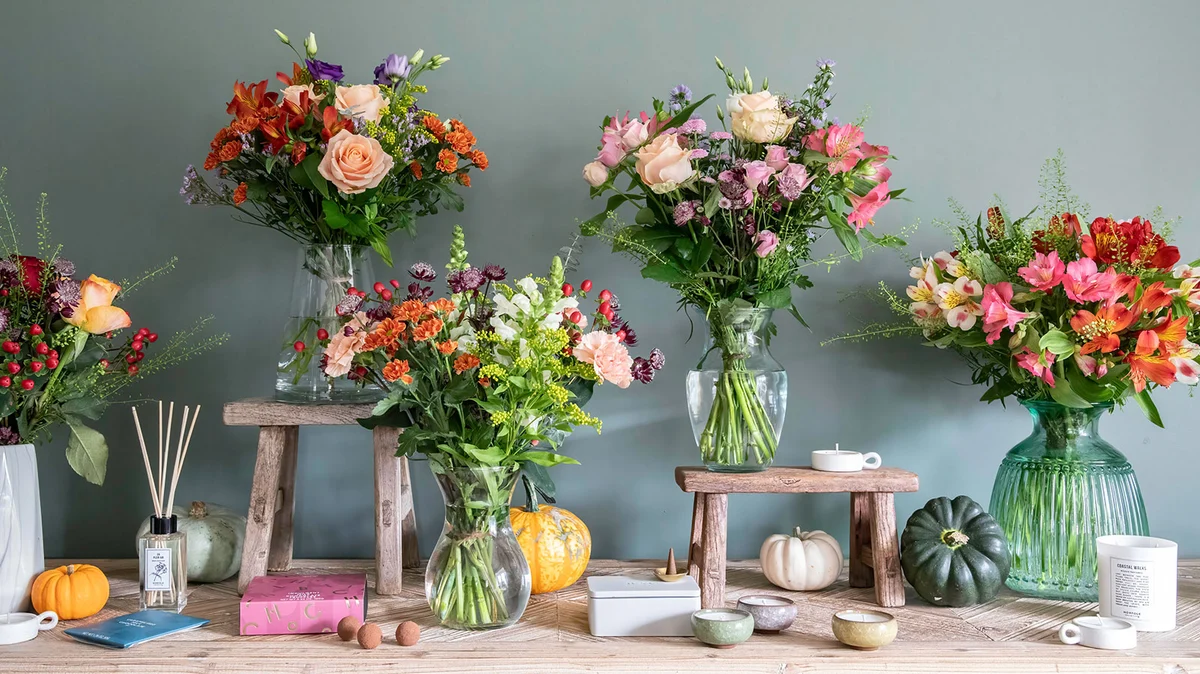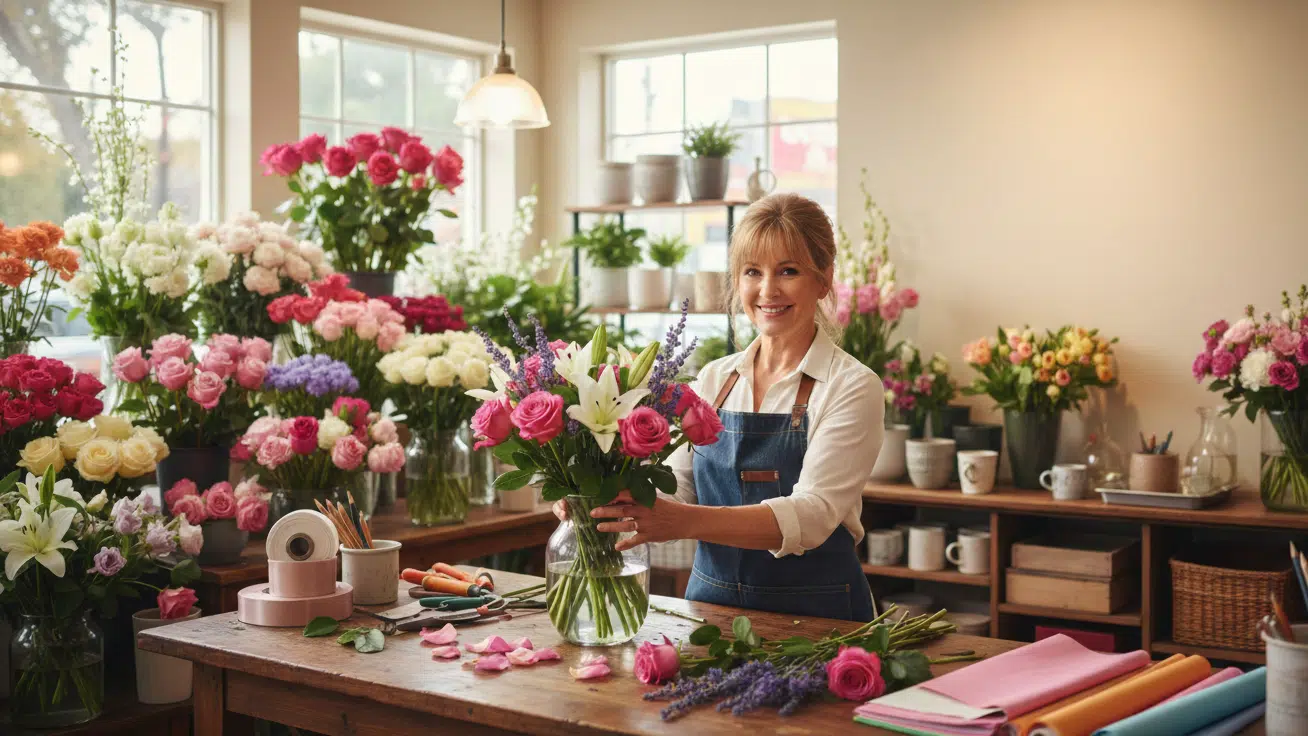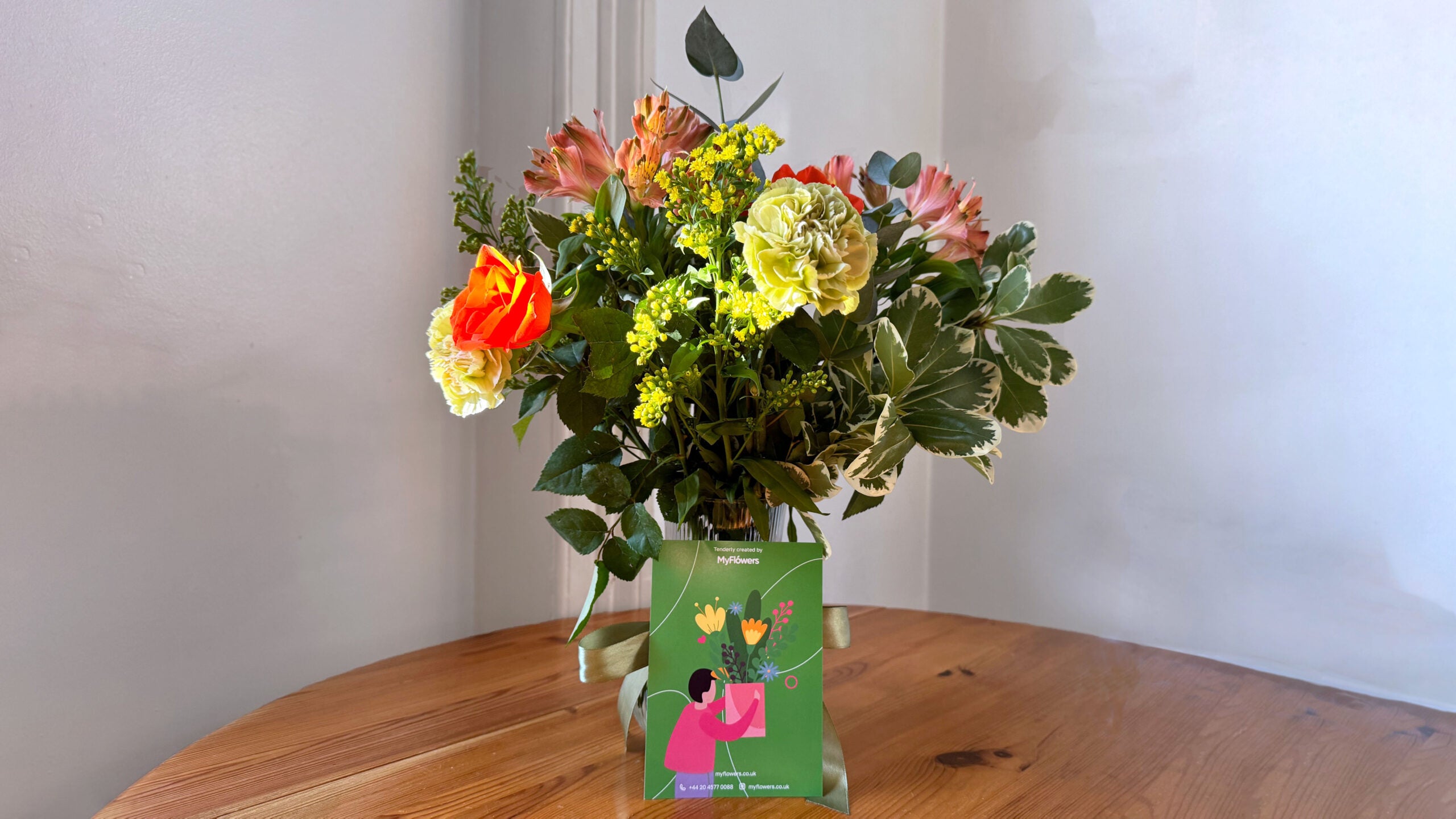
Fresh flowers require very little to thrive, but the small amount of care they do need makes a significant difference to how long they last and how well they look. Most people dramatically underestimate vase life when flowers are treated well. A bouquet that might last five days with no attention can last ten or more with consistent, simple care. The steps involved are not complicated and most require only a few minutes at most. MyFlowers sends flowers that are already well prepared, but what happens after they arrive largely determines how long they stay at their best.
The First Ten Minutes After Unboxing Matter Most
When a bouquet arrives, the most important thing to do is get the stems into water quickly. Flowers that have been in transit are often thirsty and every minute out of water when they first arrive increases the stress on the stems. Fill a clean vase with cool, fresh water before you open the box if possible. Remove any outer packaging and any lower leaves that would sit below the waterline, leaves submerged in water rot quickly and introduce bacteria that clog the stems and shorten vase life. Trim the stems at an angle before placing them in the vase, cutting off at least two centimetres from the base. An angled cut increases the surface area through which the flower draws water and a fresh cut removes the dried or air-exposed section that may have formed during delivery. These first steps set up the flowers for the best possible start.
Water Quality and How Often to Change It
Water quality has a direct effect on how long flowers last. Tap water in most of the UK is suitable, but it contains minerals and occasionally chlorine that can affect sensitive species. Leaving tap water to stand for thirty minutes before using it allows some of the chlorine to dissipate. Changing the water entirely every two days is the single most effective habit for extending vase life, fresh water prevents the bacterial build-up that clogs stems and causes premature wilting. Each time the water is changed, re-trim the stems by a centimetre. This keeps the cut surface open and able to draw water efficiently. If flower food sachets are included with the delivery, use them as directed, they contain a precise combination of sugars to feed the flowers and a mild biocide to slow bacterial growth. MyFlowers includes care instructions with each delivery to help with this.
Where to Position Fresh Flowers in the Home
Position affects vase life more than most people realise. The main things to avoid are heat sources, direct sunlight and proximity to ripening fruit. Heat and strong light accelerate the opening and ageing of flowers, reducing the time they spend at their best. Ripening fruit releases ethylene gas, a natural plant hormone that triggers ageing processes in cut flowers, even a bowl of bananas or apples on the same counter as a bouquet will shorten its life noticeably. The ideal position is a cool room, away from windows that receive direct afternoon sun and at a distance from radiators, ovens or other heat sources. Hallways and dining rooms that do not get direct sun are often ideal. Bedrooms that stay cool at night suit many flowers well, with the added benefit that cool temperatures slow the wilting process significantly during the hours they are not being enjoyed.
Species-by-Species Care Differences
Different flower species have different needs and a mixed bouquet benefits from understanding which varieties need the most attention. Here is a guide to the most common flowers and their specific care requirements
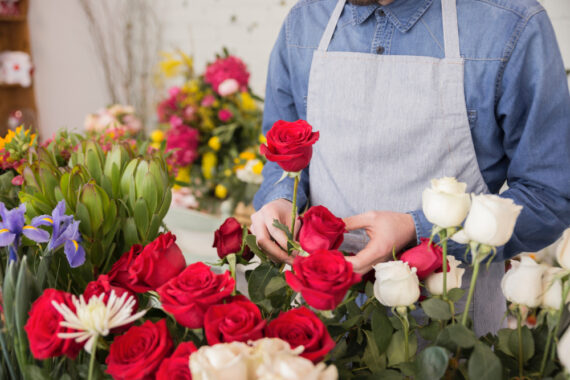
- Roses, remove guard petals (the outer, slightly damaged-looking petals) to help inner petals open; re-trim stems every two days
- Tulips, continue to grow and bend toward light after cutting; rotate the vase daily for even posture; use cool water
- Lilies, remove pollen-bearing anthers as they open to prevent staining and to extend vase life
- Peonies, if they arrive as tight buds, place in warm water to encourage opening; a gentle warmth speeds the process
- Gerberas, prefer shallow water rather than a full vase; deep water softens and rots the stems quickly
- Chrysanthemums, among the longest-lasting cut flowers; keep water clean and they will reward with weeks of colour
Reviving Flowers That Have Started to Droop
Wilting before the expected vase life is usually caused by one of two things blocked stems or dehydration. The fix for both starts at the stem. Remove the flowers from the vase, cut off at least three to four centimetres from the base at a sharp angle and place them immediately in a bucket of deep, cool water, deeper than a vase, so the stems are submerged further. Leave them for a few hours. This deep-drink technique allows the flower to rehydrate along more of its stem length and often reverses early wilting within a day. Clean the vase thoroughly before returning the flowers to it and replace the water entirely. For roses specifically, a complete overnight submersion in cool water, petals and all, can revive a drooping bloom with surprising effectiveness. MyFlowers arrangements are designed to arrive in peak condition, but this technique handles any stress that may have built up during transit.
Extending Enjoyment by Rearranging as Flowers Fade
Not all flowers in a mixed bouquet fade at the same rate. As individual stems pass their best, removing them and rearranging what remains keeps the overall display looking cared-for rather than neglected. A bouquet that started with ten stems can still look intentional and beautiful at six, especially if the remaining flowers are re-trimmed and re-positioned in a smaller vase. Some blooms, particularly chrysanthemums, statice and certain foliage, dry well rather than simply wilting and can transition into a dried arrangement with no additional effort. Saving a single stem, a rose, a gerbera or a spray carnation, pressed between heavy books and framed afterwards is one way to extend the memory of a received bouquet long past its natural vase life. MyFlowers puts real care into the preparation of each arrangement and that quality shows through the full arc of the flowers’ life at home.
Good care after delivery is the final step in what MyFlowers starts, fresh, well-sourced blooms that respond well to simple attention and reward it with days of colour and fragrance.