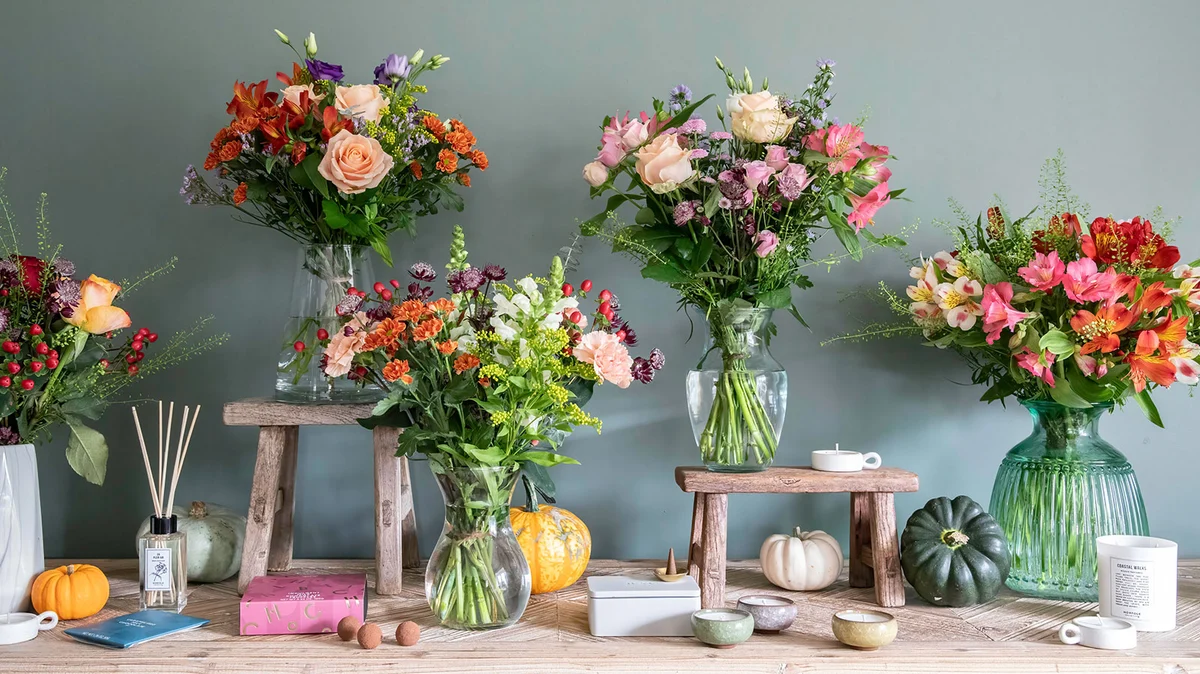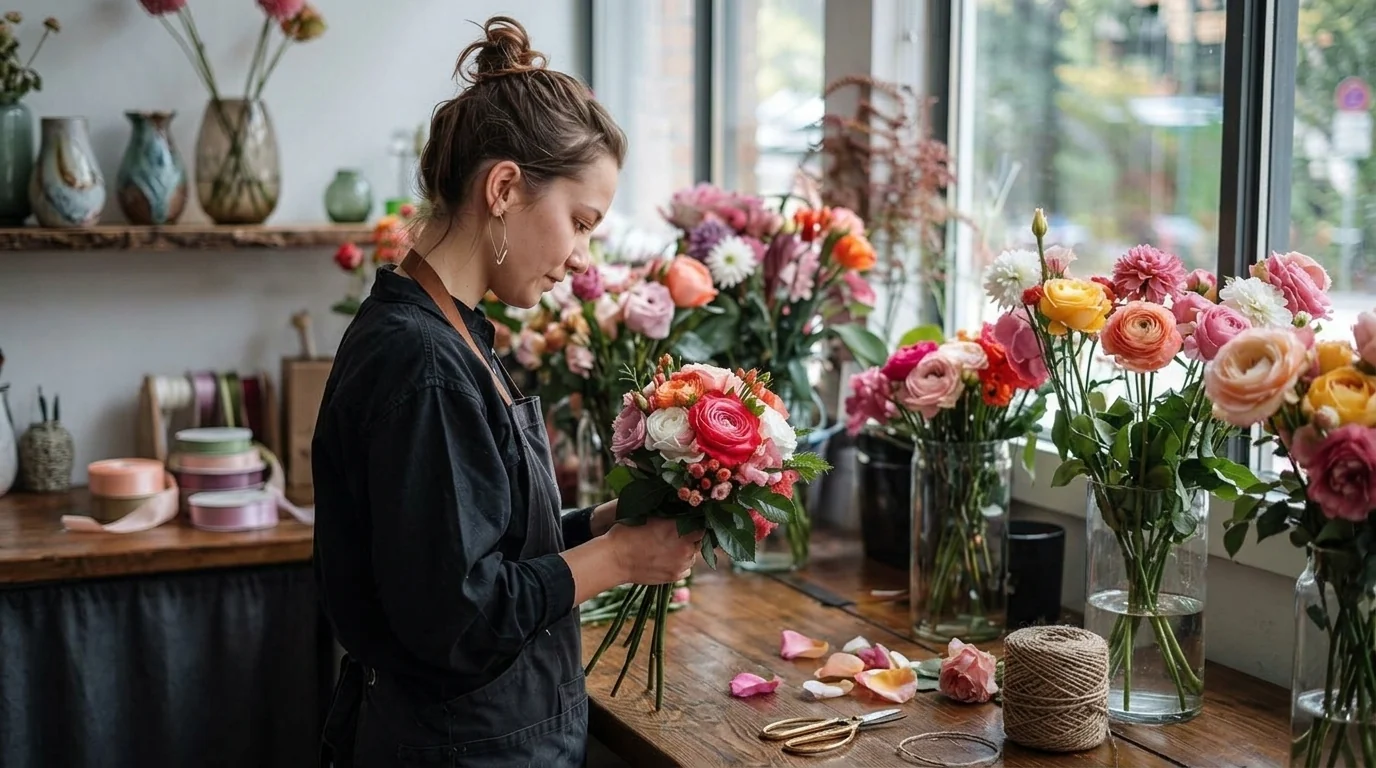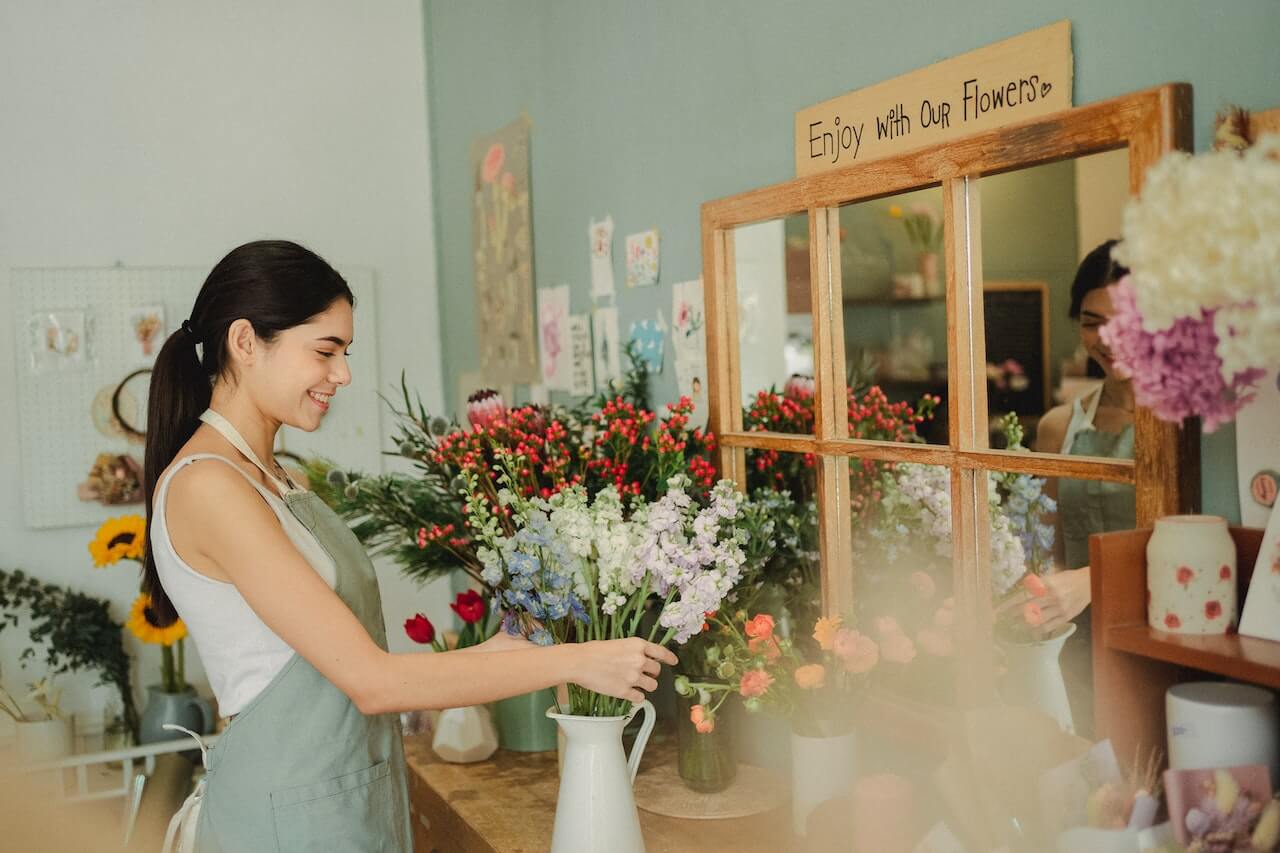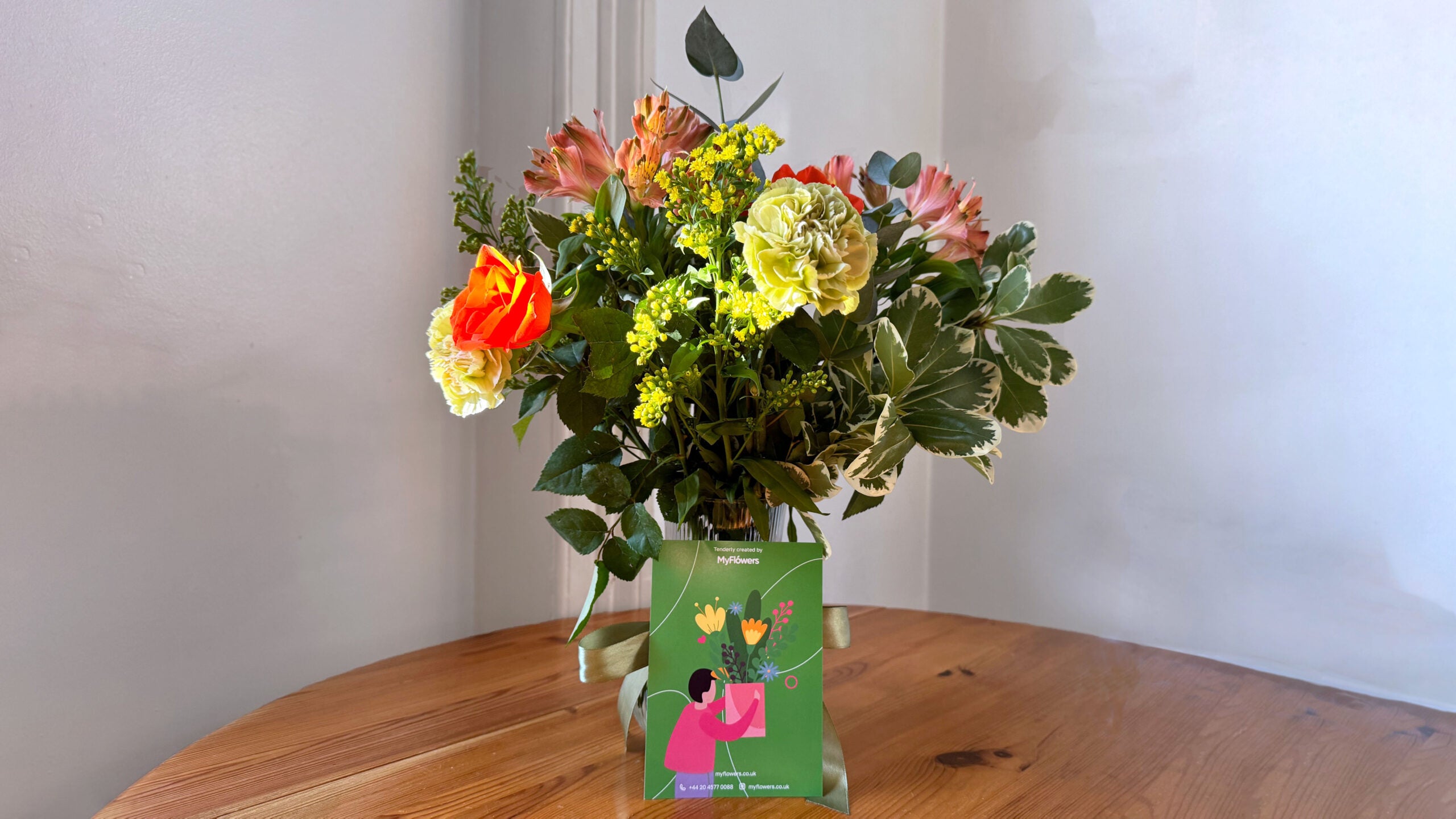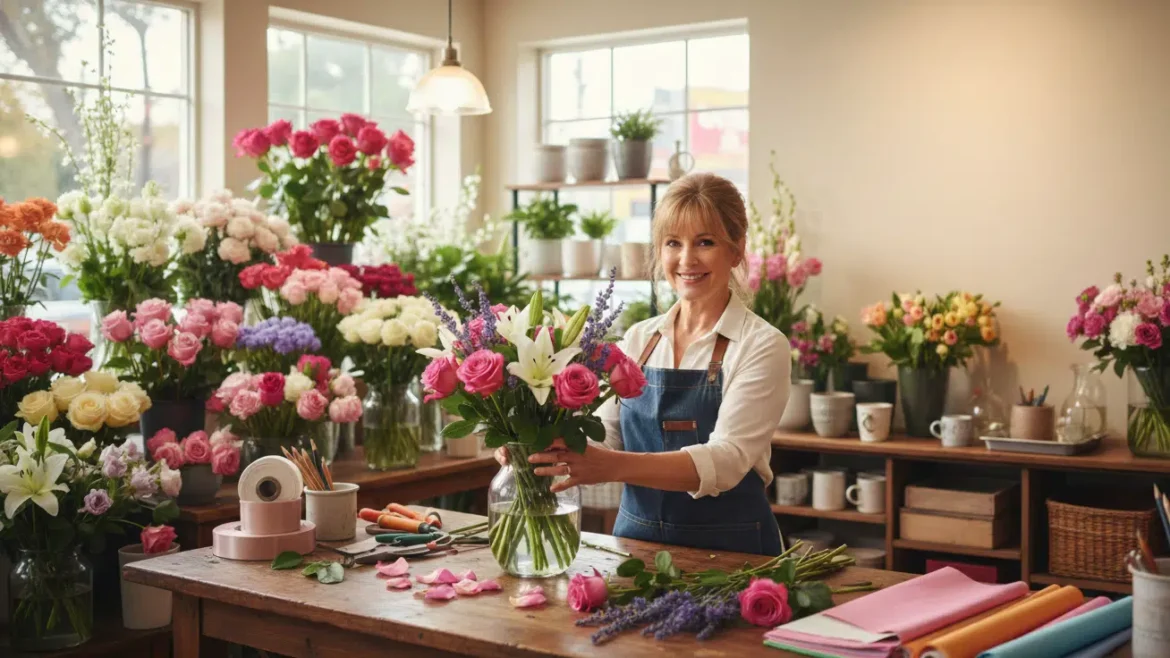
The feeling that comes from receiving or being near fresh flowers is not imagined. A growing body of research points to measurable changes in mood, stress hormone levels and cognitive performance in environments where real flowers are present. These effects are not purely psychological, they involve physiological responses that operate below the level of conscious thought. Understanding the mechanisms behind these changes helps explain why people have kept flowers in their homes, hospitals and public spaces for thousands of years. MyFlowers brings that benefit into homes with fresh, carefully prepared arrangements.
What Research Has Found About Flowers and Mood
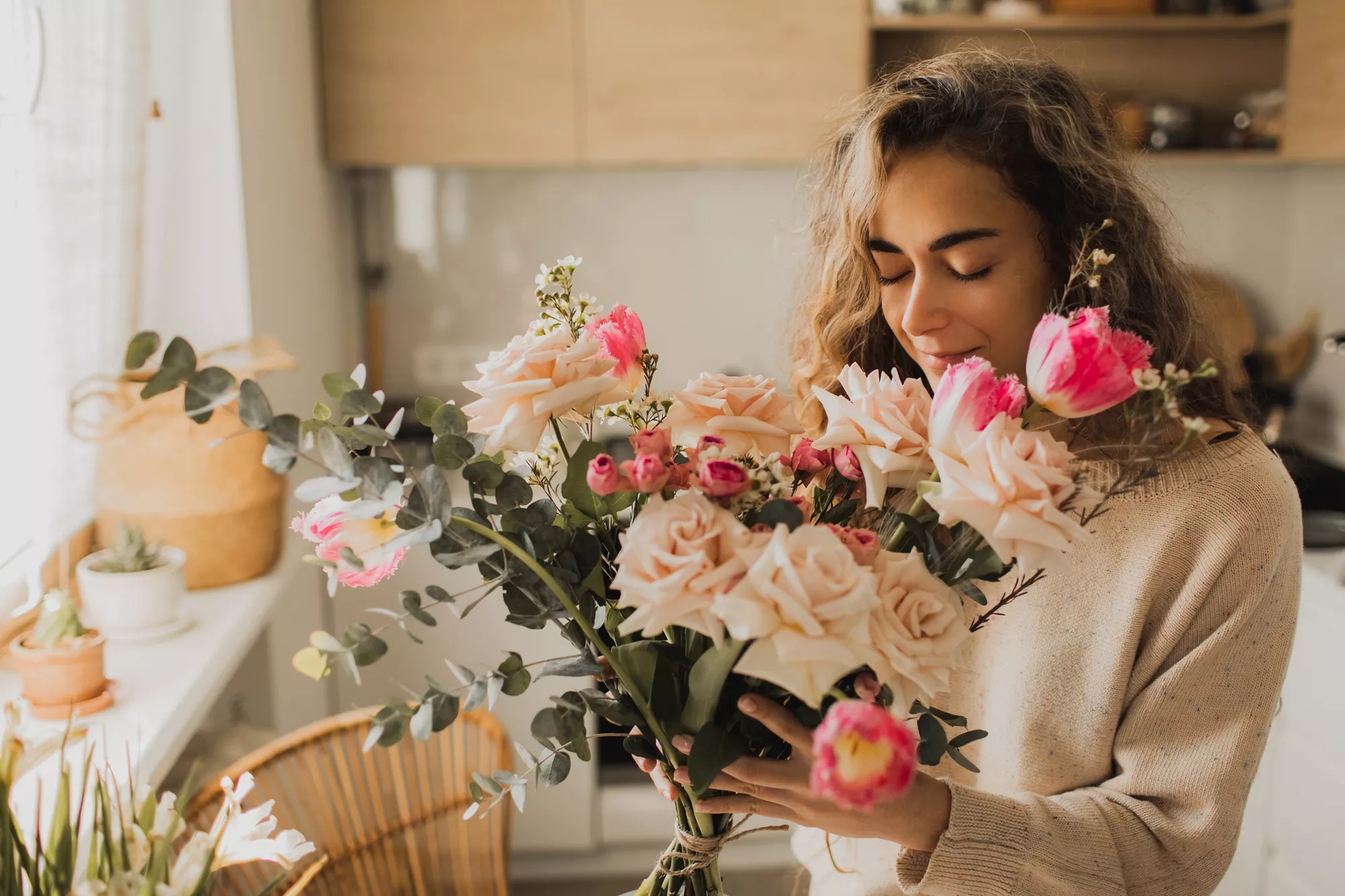
Studies conducted across multiple countries have found a consistent pattern people who spend time around fresh flowers report lower levels of anxiety and higher levels of positive emotion than those in flower-free environments. One widely cited study from Rutgers University found that flowers trigger the Duchenne smile, a genuine, involuntary expression of happiness rather than the social smile people produce for cameras or politeness. The study also found that the mood improvements persisted across several days rather than fading immediately after the initial encounter. This suggests that keeping flowers in a living or working space provides an ongoing emotional benefit rather than a brief one-time lift.
The Biology of Scent and Emotional Response
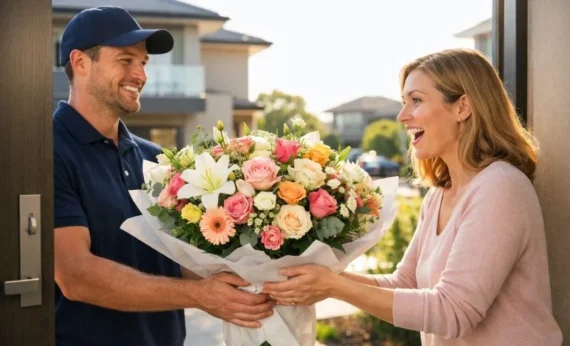
Scent is processed by the olfactory bulb, which connects directly to the limbic system, the part of the brain most closely associated with emotion and memory. This anatomical connection means that floral scents bypass the analytical processing that other sensory inputs go through, producing an emotional response before conscious thought has a chance to intervene. Lavender has been shown in clinical settings to reduce cortisol levels, the hormone most directly associated with stress. Rose fragrance has measurable effects on parasympathetic nervous system activity, associated with calm and rest. Jasmine has been linked in several studies to improved alertness and reduced anxiety simultaneously. These are not folk claims, they are documented physiological responses to naturally occurring aromatic compounds in flowers. MyFlowers works with freshly cut stems that retain their natural fragrance far better than imported blooms stored for days in transit.
Flowers, Nature and the Biophilia Effect
Evolutionary psychology offers a complementary explanation for the human response to flowers. The biophilia hypothesis, developed by biologist E.O. Wilson, proposes that humans have an innate affinity for living systems and natural forms. Flowers, as signals of a healthy natural environment, trigger positive associations at a deep, pre-cognitive level. A field of flowering plants historically indicated fertile land, clean water and the presence of food sources. Over evolutionary time, the human brain developed a positive emotional response to flowering environments as a form of environmental signalling. That response persists in modern humans even when the ecological context has changed completely. Placing flowers in an urban apartment triggers the same neurological signal that evolved in response to a flowering meadow.
What Studies Show About Flowers in Work Environments
Cognitive performance is one of the more surprising areas where flowers have demonstrated measurable effects. Research published in the journal HortScience found that workers in offices with plants and flowers showed improved concentration, better information retention and higher problem-solving scores compared to workers in undecorated spaces. The proposed mechanisms include attention restoration theory, the idea that natural elements allow the directed attention systems of the brain to recover from fatigue and reduced cortisol levels, which support clearer thinking. Among the specific benefits observed were MyFlowers
- Faster recovery from mental fatigue after looking at natural elements including flowers
- Improved creative performance when flowering plants were present in a workspace
- Reduced self-reported stress during tasks completed in flower-present environments
- Greater reported job satisfaction in workplaces that included natural elements
- Lower blood pressure readings during stressful tasks when flowers were present in the room
Flowers in Healthcare Settings and Emotional Recovery
The presence of flowers in hospital rooms and care environments has been studied specifically in relation to recovery rates and patient wellbeing. Research from Kansas State University found that post-surgical patients with flowers or plants in their rooms required less pain medication, had lower blood pressure and heart rate and reported lower levels of anxiety and fatigue than those in rooms without flowers. These are not small effects, they translate into measurable differences in recovery time and patient experience. The proposed mechanisms include the stress-reduction pathway described above, combined with the attentional restoration effect of natural forms that gives an overstimulated nervous system something gentle and non-demanding to focus on. MyFlowers arrangements are well suited for sending to someone recovering from illness or a period of difficulty.
Translating the Research into Everyday Practice
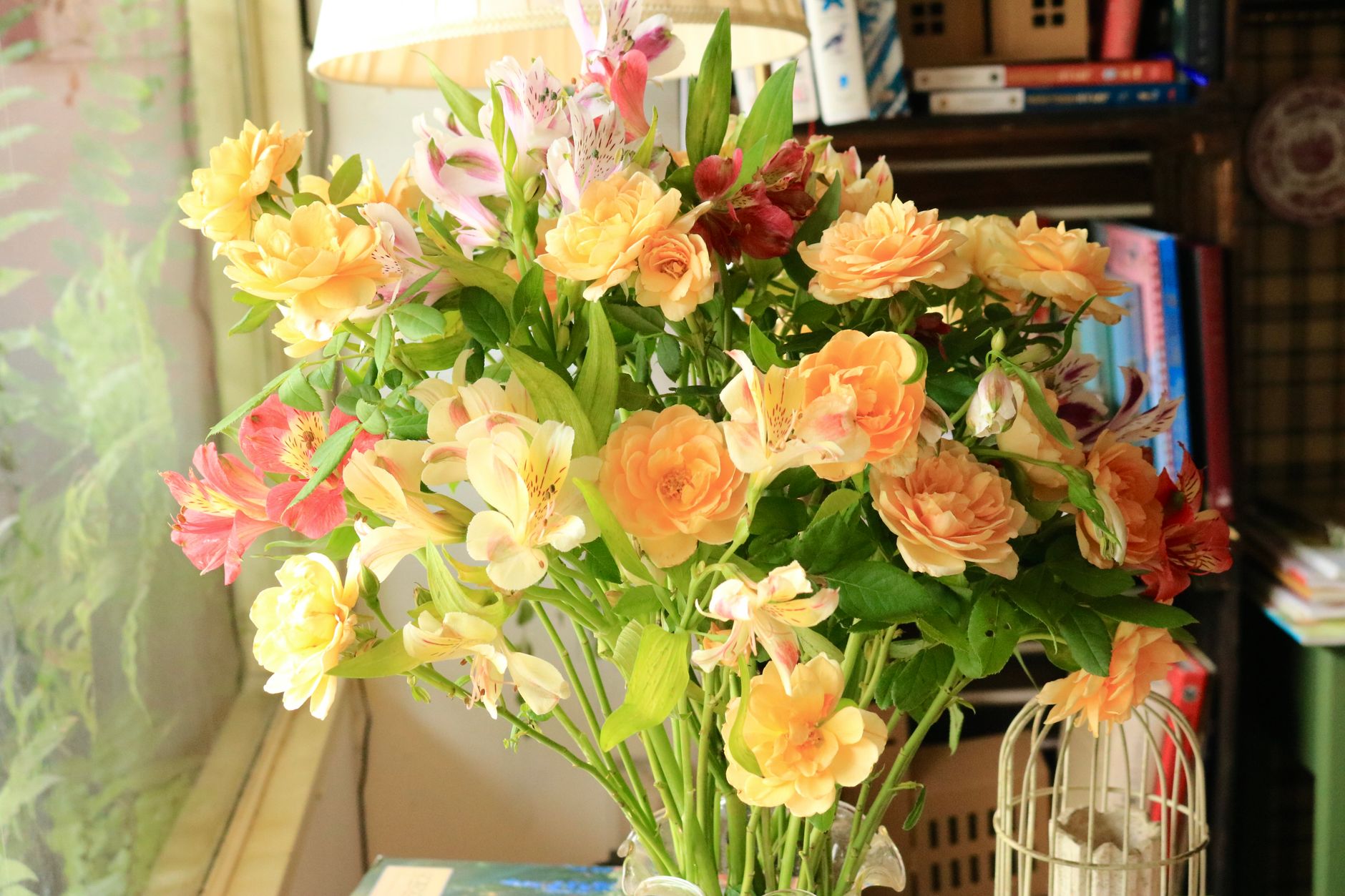
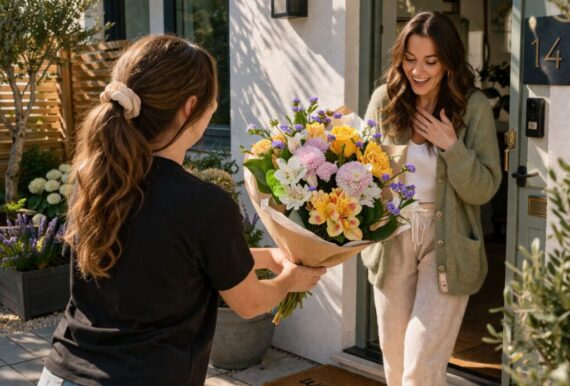
The practical takeaway from this body of research is straightforward keeping fresh flowers in regularly inhabited spaces is one of the lowest-effort, highest-return interventions available for supporting mood, focus and general wellbeing. Unlike habit changes that require sustained effort, the benefit of flowers requires only that they be present. Placement matters, rooms where the most time is spent, at eye or nose level, maximise exposure to both visual and olfactory cues. Fragrant species deliver more of the scent-mediated benefits, while visually complex arrangements with multiple species and colours offer more sustained attentional interest. Regular replacement keeps the benefit consistent rather than allowing it to fade as blooms age past their best. MyFlowers makes that regularity easy, with fresh arrangements delivered directly to the door on a schedule that suits the home.
The case for fresh flowers in everyday life is not simply aesthetic. The science points toward real, measurable improvements in how people feel and function when flowers are part of their environment.