The quality of a 3D print depends on far more than the printer itself. The filament you choose, its composition, diameter consistency, moisture content and brand reliability, shapes the outcome of every single layer. For hobbyists and professionals alike, finding a trusted source for materials makes the difference between projects that succeed and those that fail midway through a multi-hour print. 3D Prima has built a reputation in this space by offering a range that covers everything from entry-level PLA to engineering-grade specialty filaments, all with the kind of consistency that serious printers demand.
Why Filament Quality Matters More Than Most Beginners Expect
New users often focus all their attention on printer settings and model design, underestimating how much the filament itself contributes to results. Poorly manufactured filament can have inconsistent diameter measurements along its length, leading to under-extrusion, clogs and layer adhesion failures that are almost impossible to diagnose without first eliminating the material as a variable. Moisture absorption is another critical factor, filament stored improperly or manufactured without adequate drying absorbs humidity from the air, creating bubbles and surface imperfections that no amount of slicer tuning will fix.
This is why sourcing 3D printing filament from established, quality-focused suppliers matters so much. The difference between a budget spool and a well-manufactured one becomes apparent not just in the finished surface quality, but in print reliability over long runs. For anyone printing functional parts, brackets, enclosures, mechanical components, that reliability is non-negotiable.
PLA, PETG and Beyond Matching Material to Application
The most common starting point for new users is PLA and for good reason. It’s easy to print, produces minimal warping and comes in a broad range of colours. It’s ideal for decorative objects, prototypes and models where mechanical strength isn’t a primary concern. From there, many users move to PETG, which offers improved impact resistance and moisture tolerance, making it a solid choice for functional parts exposed to mild mechanical stress or outdoor conditions.
Specialty materials open up a wider range of applications. Flexible TPU filaments allow for bendable, grippy parts like phone cases and gaskets. Carbon fibre composites add stiffness and a technical aesthetic to structural components. High-temperature materials like ASA and PC hold their shape in environments where PLA would deform under heat. 3D Prima covers each of these categories, making it practical to source all materials from a single, consistent supplier rather than piecing together a toolkit from multiple vendors.
What to Look for in a Filament Supplier
Not all filament suppliers approach quality the same way. When evaluating options, several factors stand out as reliable indicators of product consistency
- Tight diameter tolerance, typically ±0.02 mm or better, which directly affects extrusion consistency
- Proper vacuum sealing and desiccant packaging that preserves filament condition from factory to print bed
- Transparent material data sheets showing glass transition temperatures, tensile strength and recommended print parameters
- A wide colour selection within each material type, reducing the need to compromise on appearance
- Reliable stock availability so projects aren’t delayed waiting for a specific spool to come back into supply
These criteria matter at both the hobbyist and professional level. An enthusiast running a single printer at home benefits as much from consistent, well-packaged 3D printing filament as a small business running multiple machines around the clock.
Printers and Accessories Building a Complete Setup
A good materials supplier often also stocks hardware and that’s worth considering when building or upgrading a printing setup. Nozzles, build plates, adhesion aids and enclosures all affect print quality in ways that interact with filament choice. Buying from a supplier familiar with the full ecosystem means advice and product recommendations that take those interactions into account, rather than treating filament and hardware as entirely separate questions.
3D Prima operates with this broader perspective in mind, stocking not just materials but the peripheral components that make printing more reliable and results more consistent. That breadth of inventory is useful for users at every stage, from those setting up their first machine to experienced printers expanding their capabilities.
Getting More From Your Printer With Better Materials
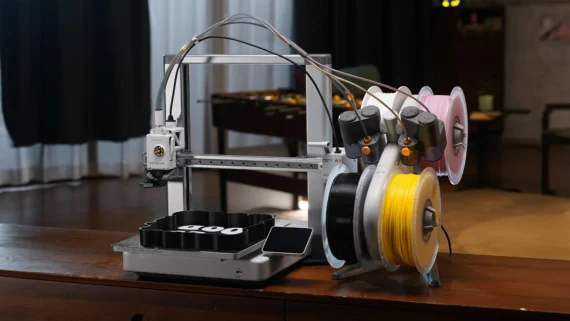
Even a mid-range FDM printer can produce excellent results when paired with quality filament and dialled-in settings. Many users who upgrade their hardware see only marginal gains, when the same improvement was available simply by switching to better materials. The ceiling on print quality for most home and professional setups is often the filament, not the machine.
Experimenting with different materials from the same supplier has the added advantage of controlled comparison, if results change between spools, the printer and settings haven’t changed, so the material becomes the isolated variable. This kind of systematic approach accelerates learning and produces better outcomes faster than random troubleshooting. Exploring the full range available from 3D Prima with this mindset in place is one of the most practical ways to raise the overall quality of your output.
For anyone serious about 3D printing, the material supply chain deserves as much attention as the hardware and software stack. Consistent, well-sourced 3D printing filament is one of the highest-leverage investments you can make in the quality and reliability of your prints.