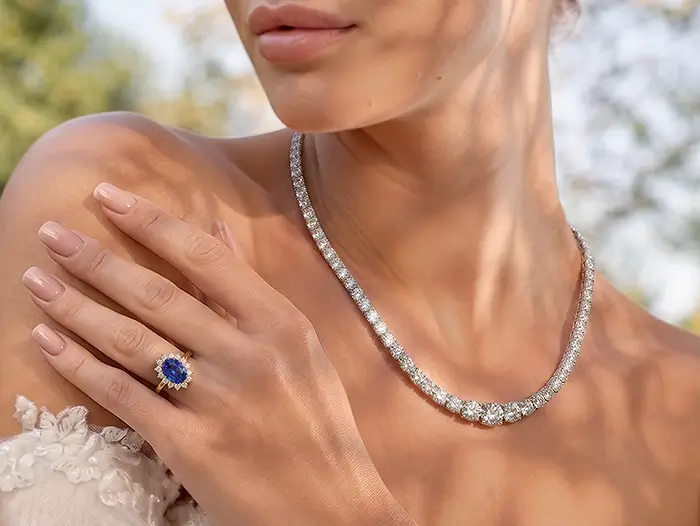
A natural gemstone ring is one of the few purchases that carries meaning long after the moment it was bought. Whether chosen for an engagement, a milestone or simply as an expression of personal style, the stone at its center holds the weight of that decision. Getting it right means understanding what separates a well-chosen piece from one that disappoints and that starts with knowing what to look for before you spend a dollar.
Understanding the Four Quality Factors
Gemstone quality is evaluated across four dimensions color, clarity, cut and carat weight. Among these, color carries the most influence on value and visual appeal. A ruby with deep, saturated red will outshine a larger stone that looks pale or brownish. Clarity refers to inclusions, the natural internal characteristics every stone develops over millions of years. Most fine gemstones carry some inclusions; the question is whether they affect the stone’s appearance or structural integrity.
Cut determines how well light moves through the stone. A well-cut sapphire will look vivid from across a room. A poorly cut one of identical quality will appear flat or dark in the center. Carat weight is the easiest factor to measure but the least reliable predictor of beauty. A smaller stone with excellent color and cut will outperform a heavier one that lacks either.
Natural vs. Lab-Grown What the Difference Actually Means
Lab-grown gemstones are chemically identical to natural ones, the same crystal structure, the same mineral composition. What differs is origin and rarity. Natural stones form over geological timescales under specific conditions that cannot be replicated at scale. That scarcity is a large part of what gives them lasting value.
Lab-grown alternatives have become significantly more affordable, which suits some buyers. But for those who want a stone that holds or appreciates in value over time, natural origin matters. GemsNY focuses exclusively on natural gemstones, sourced directly from primary markets, which keeps quality high and pricing more transparent than the retail chain typically allows.
How Certification Protects Your Investment
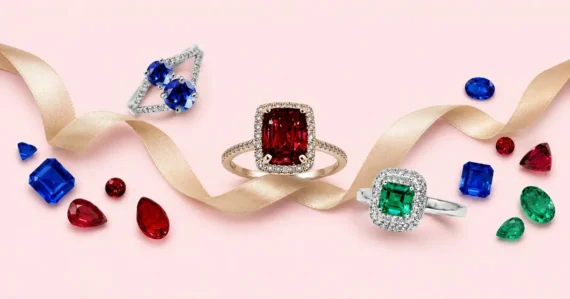
Any significant gemstone purchase should come with a certificate from a recognized gemological laboratory. The Gemological Institute of America (GIA) and the American Gemological Laboratories (AGL) are the most widely trusted for colored stones. These certificates document the stone’s weight, measurements, color grade, clarity grade and, critically, whether any heat treatment or enhancement has been applied.
Heat treatment is standard practice for many sapphires and rubies; it improves color and is widely accepted in the trade. But an unheated stone of comparable quality commands a significant premium. Knowing what you have matters both for satisfaction and for resale. Buying from a jeweler who provides certification by default, as GemsNY does, removes the guesswork from that equation.
Choosing the Right Gemstone for a Ring Setting
Not every beautiful stone is right for every ring style. Mohs hardness, the standard measure of scratch resistance, matters a great deal for stones worn daily. Diamonds score a 10. Sapphires and rubies score a 9, making them the most practical choices for engagement rings and everyday wear. Emeralds score between 7.5 and 8 but are often more included and brittle, requiring protective settings and careful handling.
- Sapphires come in every color except red and suit nearly any metal tone.
- Rubies pair well with yellow gold and rose gold settings that complement their warm hue.
- Emeralds work best in bezel or halo settings that protect the stone’s corners.
- Alexandrite changes color under different light sources and makes a striking choice for those who want something rare.
- Morganite has become popular for its soft pink tone, though its lower hardness means more care is required over time.
Where Origin Affects Value
Gemstone origin influences price more than many buyers expect. A Burma ruby or a Kashmir sapphire commands a premium that has nothing to do with the stone’s appearance alone, it reflects provenance, rarity and the documented history of those mining regions producing the finest examples of their respective gems.
Origin certificates are separate from quality certificates and are issued by laboratories with the expertise to determine geographic source through microscopic analysis and chemical testing. If origin matters to you, either for investment reasons or personal significance, ask for it specifically. Reputable dealers who work with certified natural gemstones, like GemsNY, can provide origin documentation for stones where the provenance is established and verifiable.
Buying Loose Stones vs. Set Jewelry
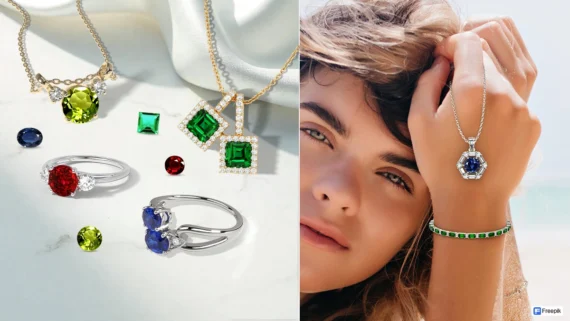
Purchasing a loose natural gemstone ring stone before choosing a setting gives you more control over quality at every step. You can select the stone independently, have it evaluated and then work with a jeweler to design or select a setting that suits it. This approach also makes it easier to compare stones side by side without the distraction of a finished piece.
Buying a pre-set ring is faster and simpler and for buyers who want a complete piece without the complexity of a custom process, it makes sense. The important thing is that the stone’s specifications are disclosed clearly, weight, treatment status and certification, regardless of format. GemsNY offers both paths, with full stone documentation in either case.
Getting the Most from Your Budget
Fine natural gemstone jewelry rewards buyers who prioritize color and cut over size. A smaller stone with vivid, even color and a well-proportioned cut will look more impressive in person than a larger stone that reads dull or lifeless. It also ages better, stones that look good under a variety of lighting conditions hold their appeal across decades.
Working with a dealer who sources directly, rather than through multiple wholesale layers, typically produces better value at a given price point. Direct sourcing means fewer markups and more accountability for what’s in the supply chain. For buyers who want a natural gemstone ring that holds both personal and monetary value over time, that transparency is worth seeking out.
The right stone is out there, the work is knowing enough to recognize it when you find it.