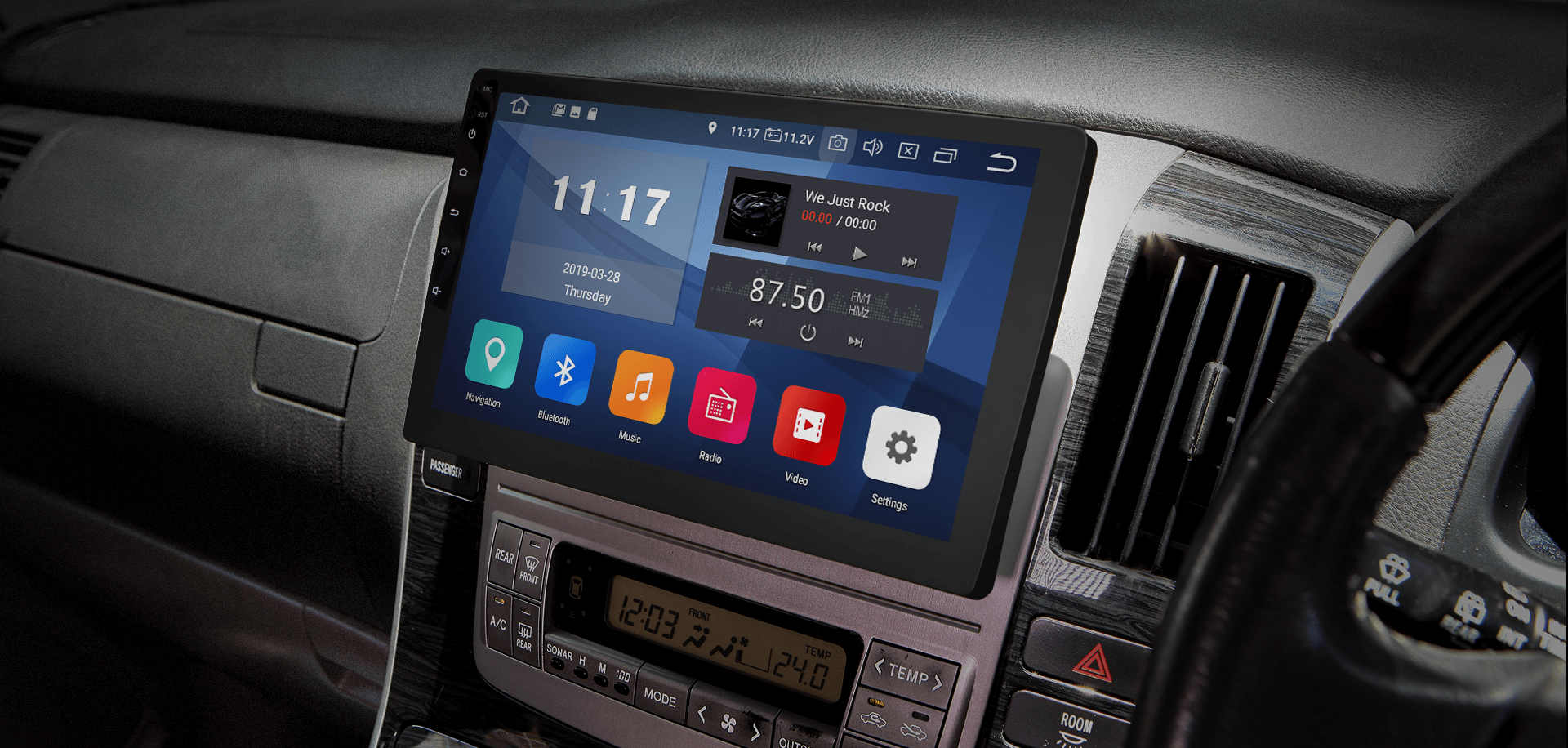
Upgrading the infotainment system in a car makes a bigger difference than most people expect. A modern Android head unit replaces an outdated factory car stereo with a touchscreen display, GPS navigation, wireless connectivity and app support, all without touching the rest of the vehicle. Eonon has built its reputation around exactly this kind of upgrade, offering Android-based head units designed to fit a wide range of vehicles and deliver a noticeably improved in-car experience. For drivers who spend significant time behind the wheel, this is an upgrade that pays off every single day.
What Makes an Android Head Unit Different from a Standard Stereo
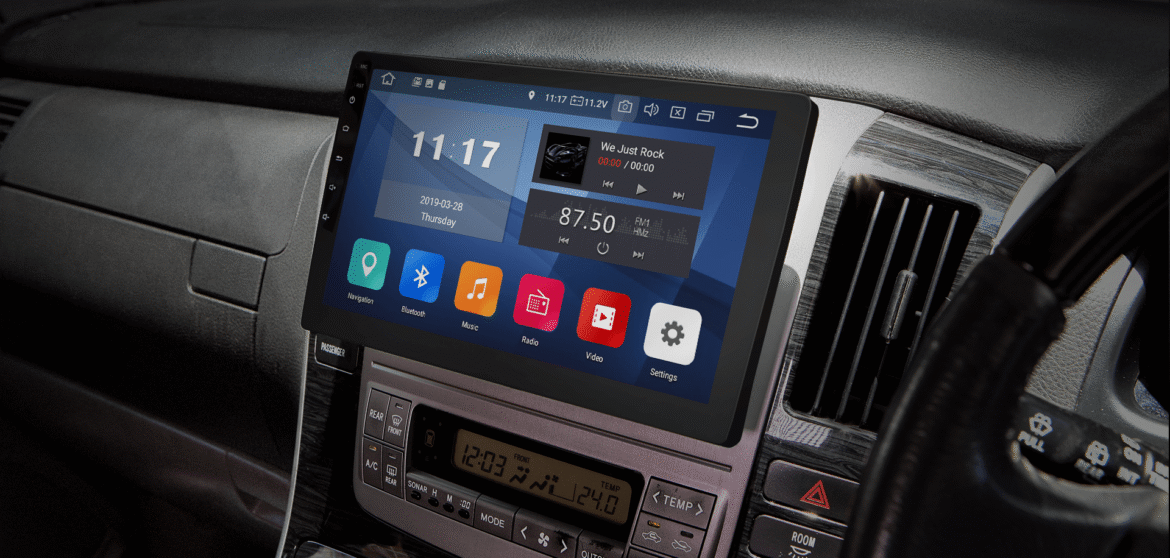
A standard car stereo plays music, receives radio stations and maybe handles Bluetooth calls. An Android head unit does all that and then some. It runs a full Android operating system, which means drivers can install navigation apps like Google Maps or Waze, stream music from Spotify or Apple Music, mirror their smartphone screen and even use voice commands to control functions without taking their hands off the wheel.
The screen size is another significant jump. Most factory displays measure five to seven inches. Eonon units commonly feature nine, ten or twelve-inch displays with high-resolution panels that make maps and media interfaces genuinely easy to read at a glance. The visual clarity alone changes how comfortable it feels to navigate an unfamiliar city or manage audio while driving. The difference becomes obvious within the first few minutes of use.
Vehicle Compatibility and Fit
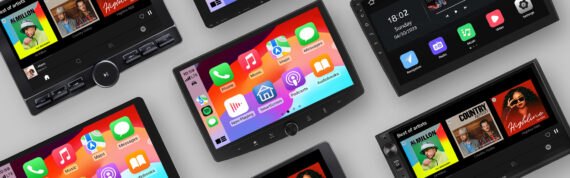
One of the most important factors when choosing an aftermarket car stereo is whether it fits properly in a specific vehicle. A head unit that requires extensive modifications or leaves gaps around the fascia looks and feels wrong from day one. Eonon addresses this with a catalog organized by make, model and year, so buyers can identify units designed specifically for their vehicle rather than relying on generic fitment.
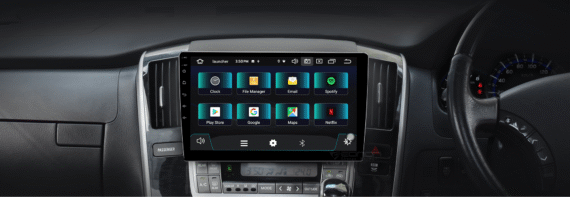
Vehicle-specific units come with custom mounting brackets, matching color bezels and wiring harnesses that connect directly to the car’s existing plugs. Steering wheel controls, backup cameras and factory parking sensors continue to work as expected. This attention to compatibility is what separates a quality aftermarket upgrade from a frustrating retrofit that leaves loose wires and mismatched panels behind. The installation experience is smoother and the finished result looks intentional.
Key Features to Look for in a Head Unit
Not every Android head unit is built the same. When comparing options, several specifications matter most Eonon
- Processor speed and RAM determine how smoothly apps load and how quickly the screen responds to touch input.
- Display resolution affects how readable navigation maps and media album art appear in bright daylight.
- Built-in GPS with an external antenna provides reliable positioning without relying entirely on smartphone signal.
- Wireless CarPlay and Android Auto support allows smartphone mirroring without a cable every time.
- DSP audio processing improves sound quality across the cabin by allowing equalizer adjustments and speaker time alignment.
Each of these features contributes to a head unit that stays useful over years of daily use rather than feeling outdated within a year or two. The stereo market moves quickly and investing in a well-specced unit from a brand with a track record makes practical sense. Buyers can review the full specifications for each model directly on Eonon.
Sound Quality and Audio Customization
Replacing a factory car stereo often brings an immediate improvement in audio quality, partly because factory systems are rarely optimized for the vehicle’s acoustics. Aftermarket head units give drivers access to parametric equalizers, output level controls and crossover settings that were simply unavailable before. Those who connect the head unit to an aftermarket amplifier and speakers gain even more flexibility.
Eonon units include built-in digital signal processing that allows basic tuning without external hardware. Subwoofer output, fade balance between front and rear speakers and bass boost controls are all accessible from the main audio menu. For casual listeners, the default settings sound noticeably better than most stock systems. For audio enthusiasts, the ability to fine-tune the output gives enough control to get close to a dedicated aftermarket audio setup without the same complexity or cost.
Installation and Ongoing Support
A common concern with aftermarket electronics is installation difficulty. Eonon head units come with wiring diagrams and the vehicle-specific fitment means most of the guesswork is already handled. Drivers comfortable with basic electrical work can handle the installation themselves over a weekend. Those who prefer professional installation can take the unit to any car audio shop and the vehicle-specific harness makes the job straightforward for any technician familiar with car audio systems.
Software updates are another consideration that matters over the lifetime of the unit. Android-based systems can receive app updates through the Play Store and firmware updates from the manufacturer can add features or improve stability as new software becomes available. This approach keeps the unit relevant longer than older proprietary head unit platforms. For drivers ready to upgrade their in-car experience with a capable and well-supported car stereo, Eonon is a straightforward place to start.