

Starting a weight-loss journey is often portrayed as the hardest part. In reality, many people find that maintaining progress is where the real challenge begins.
The excitement of a new routine can gradually give way to everyday pressures, changing schedules and moments when progress feels slower than expected. This is why access to professional support can matter beyond the initial consultation. Weight management is rarely a straight line, and people may benefit from care that recognises the journey does not end once treatment begins.
Bolt Pharmacy takes a clinician-led approach to weight management that puts ongoing care alongside accessibility. Rather than treating the first prescription as the finish line, the service is designed to provide continued clinical oversight and support for eligible patients throughout their treatment journey.
The Hard Part Often Starts After the First Step
There is no shortage of weight-loss advice online. The difficult part is often deciding what information is relevant, safe and realistic for an individual. This becomes even more important when prescription treatment is involved.
A person may begin treatment with clear goals but later have questions about their experience, progress or the next stage of their care. Having access to a professional team can make those moments feel less daunting. Bolt Pharmacy says its care model includes ongoing support, with clinicians and the care team available during treatment rather than limiting patient interaction to a single initial assessment.
That continued connection can be particularly valuable because long-term progress involves more than simply following a plan. People need to understand what they are doing and feel able to raise concerns when necessary. Healthcare becomes more useful when support fits into real life instead of appearing only at the beginning of the journey.
Clinical Decisions Should Stay Personal
One of the strongest reasons for choosing clinician-led care is that weight management should not be treated as a one-size-fits-all experience. Two people can have similar goals while having completely different medical histories, current medications and individual circumstances.
At Bolt Pharmacy, patients begin by providing relevant health information through an online assessment. A qualified prescriber then reviews the information and may ask follow-up questions before deciding whether treatment is clinically appropriate. The prescriber, rather than the patient, makes the final decision regarding whether a medicine is suitable and what treatment plan should be used.
This is an important part of responsible weight-management care. Online access may make the process more convenient, but convenience should not remove professional judgement. A proper clinical review helps ensure that treatment decisions are based on the individual rather than simply on a desired outcome.
Progress Can Be Easier to Understand When It Is Tracked
Weight is often reduced to one number, but a person’s experience with weight management can be more complex than what appears on a bathroom scale. Progress can happen gradually, and looking at longer-term patterns may be more useful than reacting to every small change.
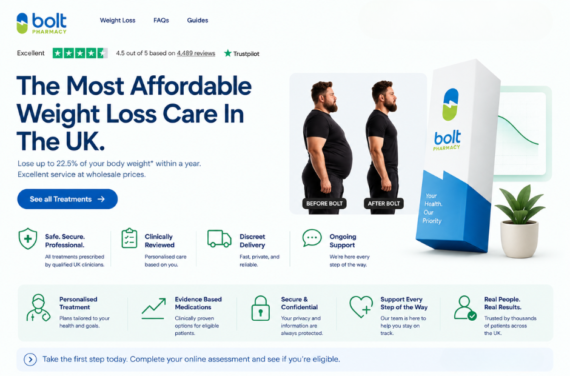
Bolt Pharmacy offers progress tracking through its app, allowing patients to log their weight and follow their journey over time. Its service also includes a system for managing reorders, while treatment and dose decisions remain subject to clinical review.
This can help bring a greater sense of structure to a process that sometimes feels unpredictable. Tracking is not about becoming obsessed with numbers. When used sensibly, it can help people recognise trends, stay engaged with longer-term goals and have more meaningful conversations with their care team.
Staying on a Suitable Path Matters More Than Rushing Ahead
There is often pressure to expect dramatic results as quickly as possible. Social media transformations and attention-grabbing headlines can make slow progress seem disappointing, even when a gradual approach may be more sustainable.
The current approach presented by Bolt Pharmacy focuses on clinician-led treatment and ongoing review rather than encouraging patients to make treatment decisions alone. Its process allows prescribers to consider whether treatment remains appropriate and to manage changes where clinically necessary.
This matters because healthcare should not become a race to achieve the fastest possible result. Individual treatment journeys can differ, and medical decisions should remain in the hands of qualified professionals. For many people, feeling supported through a carefully managed process may be more valuable than chasing an unrealistic deadline.
Digital Care Can Fit Better Into Busy Lives
Healthcare can sometimes feel difficult to access, particularly for people balancing work, family commitments and other responsibilities. Travelling to appointments and rearranging an already busy schedule can become barriers that discourage people from seeking support.
Bolt Pharmacy uses an online assessment and clinical consultation process, allowing eligible patients to begin from home. If treatment is approved, medication is dispensed and delivered by the pharmacy, bringing several parts of the experience together in one digital service.
Digital care will not be the right choice for everyone, but it can offer practical advantages for those who value convenience. The key is finding a service that balances ease of access with proper professional oversight. The ability to complete part of the process online should make care more accessible, not less thorough.

Knowing When to Ask for Help Is Part of Good Care
A responsible weight-management journey should leave room for questions. People may want clarification about treatment, their progress or what comes next. They should also understand that not every applicant will be suitable for prescription treatment.
Bolt Pharmacy states that clinical consultations and prescribing decisions are carried out by qualified prescribers through its CQC-registered clinical partner, while the pharmacy dispenses medication against an approved prescription. If a prescriber decides treatment is not appropriate, the patient is informed and may be advised to seek further guidance from their GP.
For anyone considering an online weight-management provider, this is an important reminder of what to look for. A good service should not simply focus on getting someone through checkout. Clear clinical processes, qualified professionals and opportunities to ask questions are all worth considering before beginning treatment.
What Makes Ongoing Support Worth Paying Attention To
When comparing weight-management services, it is easy to focus entirely on the starting price or the type of treatment available. These factors are important, but the quality of ongoing care can also shape the overall experience.
It may be useful to consider:
- Whether qualified clinicians review treatment decisions
- How patients can contact the care team during treatment
- Whether progress can be monitored over time
- How reorders and treatment reviews are managed
- Whether pricing and services are clearly explained
- What happens if treatment is no longer considered appropriate
Bolt Pharmacy brings these practical elements together through its clinician-led model, ongoing support and digital tools. For eligible adults exploring weight-management treatment, that combination may make professional care feel more manageable from one stage to the next.
The Journey Should Not Feel Like a Solo Project
Long-term weight management is personal, and there is no single approach that suits everyone. Lifestyle changes remain important, while prescription treatments may be an option for people who are clinically assessed as suitable. What should not be overlooked is the value of continued professional support.
Bolt Pharmacy offers a model built around more than the initial assessment. With clinician-led decision-making, ongoing access to support, progress tracking and a digital process designed for convenience, the service aims to make weight-management care easier to navigate for eligible patients.
The most meaningful weight-loss journey is not necessarily the fastest one. It is the one supported by informed decisions, realistic expectations and care that continues when the first burst of motivation has passed.