Getting a blood test or lab panel used to mean scheduling a doctor’s appointment, waiting weeks for a referral and then waiting again at a clinic. That process works for many situations, but it is not always the most practical path. Direct-access lab testing services have changed the equation, giving people a faster, more flexible route to the health information they want. Walk-In Lab is a platform built around this idea, offering hundreds of lab tests that individuals can order without a physician’s prescription and complete at one of thousands of partner locations across the United States.
What Direct-Access Lab Testing Actually Means
Direct-access testing removes the traditional bottleneck of requiring a doctor’s order before a patient can have blood drawn or a sample collected. Instead of waiting for a referral, someone who wants to check their cholesterol, vitamin D levels, thyroid function or dozens of other markers can browse a test menu, place an order online and visit a local lab at their convenience.
This model does not replace medical care. A physician’s expertise remains essential for diagnosing conditions, interpreting complex results in context and recommending treatment. What direct-access testing does is give individuals timely data, which can prompt a more focused conversation with a healthcare provider or simply satisfy personal curiosity about baseline health metrics. Walk-In Lab supports this kind of proactive health monitoring by keeping the ordering process straightforward and the panel options extensive.
The Range of Tests Available
One of the most practical aspects of a broad testing catalogue is that it accommodates a wide variety of needs in one place. Health-conscious individuals who want to track fitness markers like testosterone or cortisol can find those tests alongside panels designed for people managing chronic conditions or monitoring medication side effects.
- Comprehensive metabolic panels check kidney function, liver enzymes, blood sugar and electrolytes together.
- Lipid panels measure total cholesterol, LDL, HDL and triglycerides to give a picture of cardiovascular risk factors.
- Thyroid panels assess TSH, T3 and T4 levels, which influence metabolism, energy and mood.
- Complete blood count tests examine red blood cells, white blood cells and platelets for general health screening.
- Hormone panels track levels relevant to reproductive health, adrenal function and aging.
- Sexually transmitted infection panels allow for discreet testing without a clinic visit.
Specialty tests covering food sensitivities, heavy metals, micronutrients and genetic markers are also part of the catalogue available through Walk-In Lab, reflecting the growing interest in personalised health data.
How the Ordering and Testing Process Works
The workflow for using a direct-access lab service is more straightforward than many first-time users expect. After selecting a test, the buyer receives a lab requisition form that they bring to one of the affiliated collection sites, which are typically national lab networks with locations in most major cities and many smaller communities.
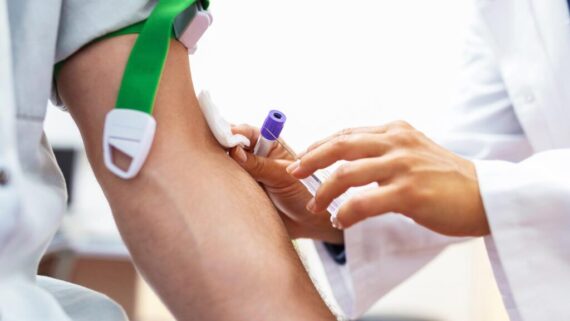
At the collection site, a phlebotomist draws the blood sample or processes another type of specimen, depending on what the test requires. Results are usually available within a few business days and are accessible online through a secure portal. Some tests return results faster, while more specialised panels may take slightly longer due to additional processing steps.
People who already see a doctor regularly can share their results at the next appointment. Others use the data as a starting point, using unusual findings to guide decisions about whether to seek a medical consultation. Either way, the convenience of choosing a test, a location and a time without phone calls or referrals is what drives many people toward this approach to health monitoring.
Privacy and Convenience as Core Benefits
For certain types of tests, privacy is a significant motivator. STI testing, hormone panels and some genetic assessments are areas where people may prefer a discreet channel that does not involve their regular physician or insurance records. Direct-access testing supports that preference by allowing orders to be placed and results to be accessed privately.
Convenience matters beyond privacy as well. Someone who travels frequently, lives in a rural area with limited specialist access or simply wants to avoid the wait times associated with primary care appointments finds real value in a service that operates around their schedule. Walk-In Lab works with lab partners that have broad geographic coverage, which makes finding a nearby collection location practical for most users.
Understanding Your Results and Next Steps
Receiving a lab result is only useful if it can be interpreted meaningfully. Many tests come with reference ranges that indicate what values fall within typical parameters for a given demographic group. Results outside those ranges are not automatically cause for alarm; they are a signal to look more closely, ideally with the help of a qualified healthcare professional.
Some platforms offer physician consultation services for an additional fee and general practitioners are generally willing to review privately ordered lab results. Building a habit of periodic testing and comparing results over time gives a richer picture than any single data point. Tracking trends in markers like fasting glucose, vitamin B12 or ferritin across multiple tests over months or years reveals patterns that single snapshots miss. Choosing the right tests for one’s specific health goals is something the catalogue and informational resources at Walk-In Lab help users navigate.
Who Benefits Most From Walk-In Lab Services
Direct-access testing appeals to a broad range of people. Those without health insurance find it a cost-transparent option compared to the unpredictability of billed clinical visits. Athletes and fitness enthusiasts use it to monitor performance-related biomarkers. People with a family history of certain conditions use it to stay ahead of risk factors that warrant monitoring even before symptoms appear.
Employers, wellness programs and individuals managing long-term conditions have all found practical applications for regular, accessible lab testing. The common thread is an interest in health data that is not gated behind appointments and insurance approvals. Services like Walk-In Lab meet that need directly, offering a broad test menu, transparent ordering and results delivered through a secure online system, making proactive health monitoring available to a much wider audience than traditional clinical channels can serve.