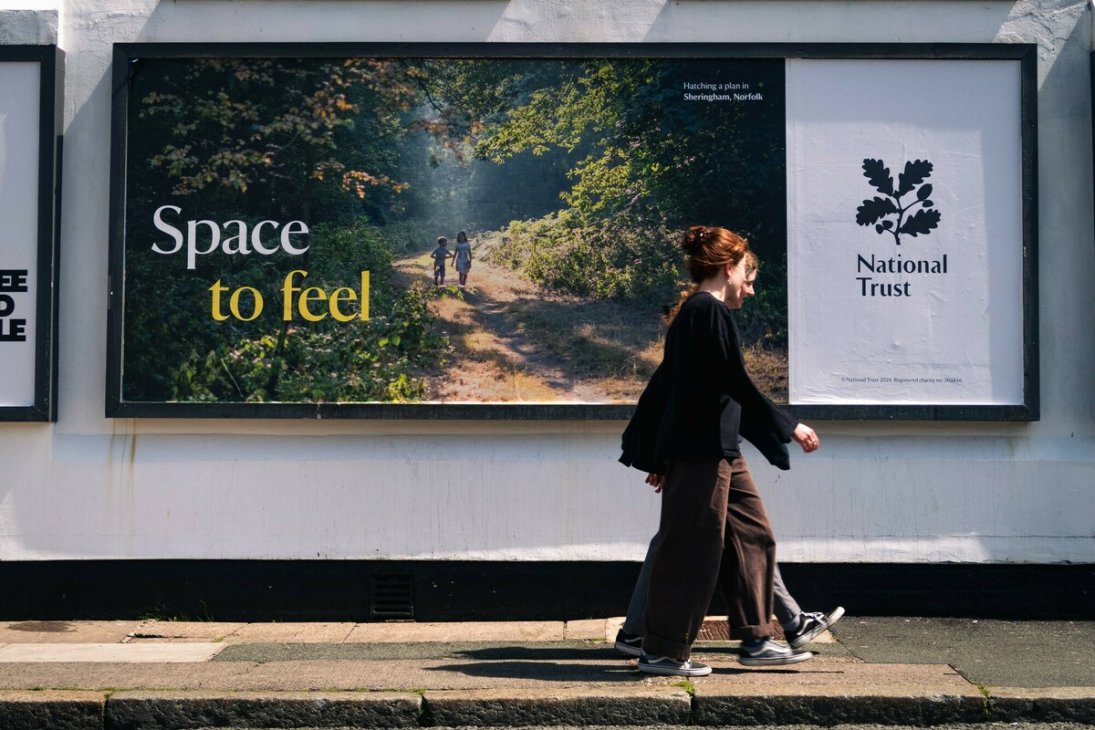
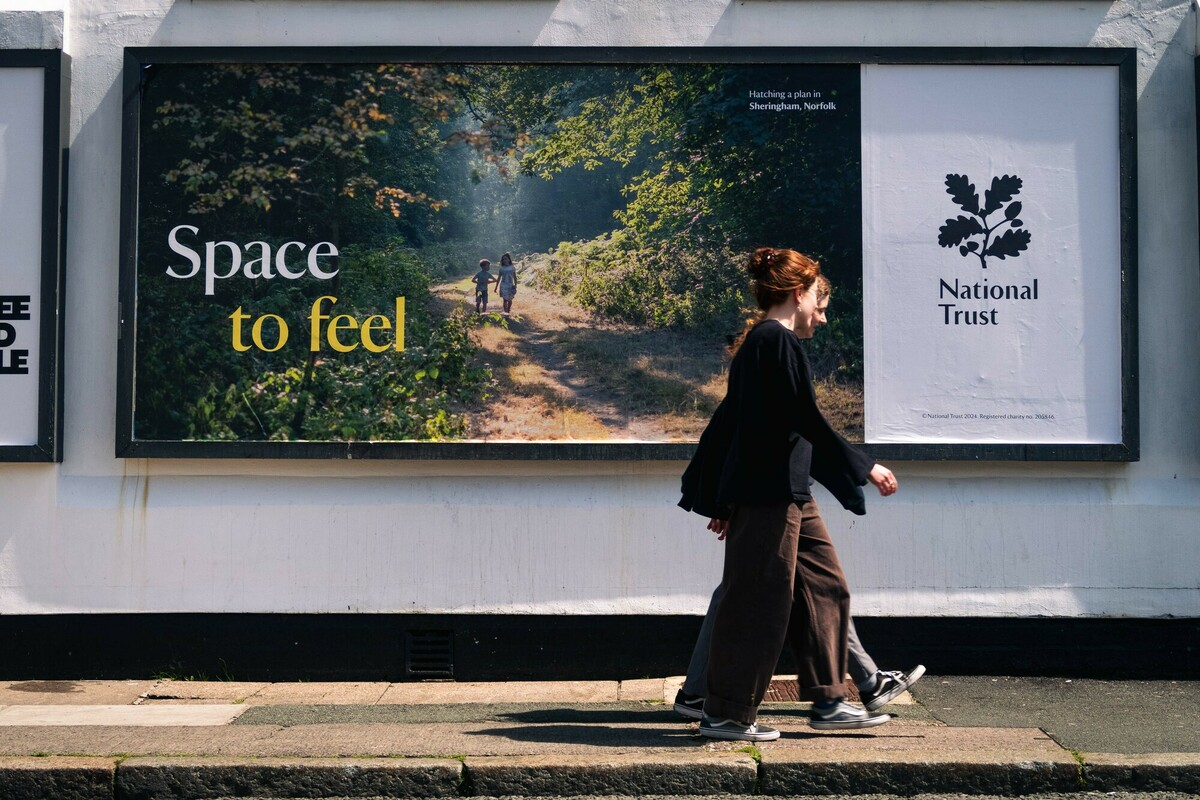
The British countryside holds a particular kind of beauty that rewards those willing to slow down and pay attention. Rolling hills, ancient woodland, dramatic coastal paths and historic country houses all form part of a landscape shaped by centuries of human activity and careful stewardship. National Trust has spent well over a century working to preserve the most significant of these places, keeping them accessible to the public so that the experience of walking through old-growth forest or standing at the edge of a cliff-top path remains available to anyone who wants it.
What the Organisation Preserves
The scope of what the Trust cares for is broader than many people realise. Most visitors associate it with stately homes and formal gardens and those are certainly a major part of the portfolio. But the organisation also holds responsibility for stretches of coastline, working farms, ancient monuments, moorland and urban green spaces. The common thread is significance, whether historic, ecological or cultural, that makes each property worth protecting for future generations.
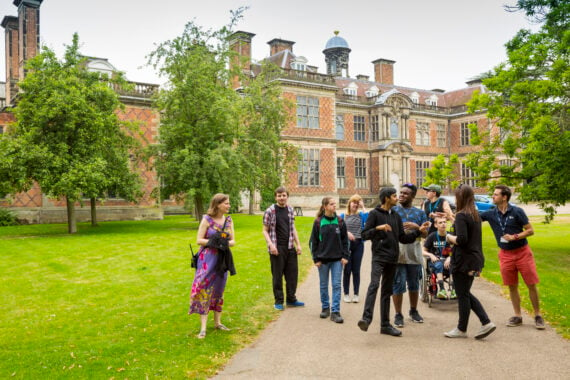
Walking the grounds of a Trust property often means walking through layers of history. A walled kitchen garden might have supplied a Georgian household. A woodland trail might run past remnants of an iron-age fort. A coastal path might follow a route that smugglers used for centuries. The organisation works to surface these stories without turning the experience into something sterile or museum-like, which is a genuinely difficult balance to strike.
Membership as a Way to Explore
For anyone who visits more than a handful of properties in a year, membership quickly becomes the most practical way to engage with everything on offer. Free entry to hundreds of properties across England, Wales and Northern Ireland, combined with free or discounted parking at most sites, changes the relationship a visitor has with the organisation from transactional to exploratory. It becomes easier to drop in on a property that might not have been the primary destination or to return to a favourite garden across different seasons.
Membership also supports the conservation work that keeps these places intact. The relationship between visitor numbers, membership income and ongoing maintenance is real and direct. Properties that attract sustained interest are better positioned to receive the careful restoration work that keeps historic buildings standing and ancient landscapes from degrading. Explore membership options through National Trust to see what fits best.
Gardens Worth Visiting More Than Once
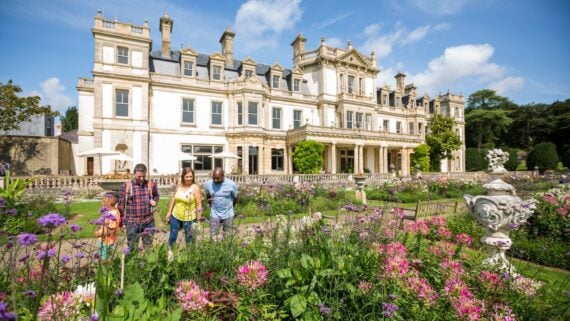
Gardens managed here tend to reward repeat visits in a way that many other destinations do not. The same space can look and feel entirely different across the seasons. A formal garden filled with tulips and blossom in spring becomes a lush green space in summer, then a canvas of warm colour in autumn and finally a place of structure and bare elegance in winter. Landscape gardens designed by figures like Humphry Repton or Capability Brown were conceived to be experienced across the year, with seasonal changes built into the design.
- Spring blossom and bulb displays at historic walled gardens
- Summer wildflower meadows managed for biodiversity and visual appeal
- Autumn colour in ancient woodland and parkland settings
- Winter snowdrop collections at properties across the country
- Kitchen gardens producing heritage vegetable and fruit varieties throughout the growing season
Visiting with children adds another dimension entirely. Many properties offer trails, activity sheets and outdoor play areas that make a half-day visit feel genuinely engaging rather than something tolerated by younger family members. The organisation has invested meaningfully in making its outdoor spaces welcoming for families, which shows in the design of trails and the quality of interpretation available at most sites. Plan a family day out with National Trust to find properties with dedicated family activities.
Coastal and Countryside Walking
Some of the most rewarding land is not the grand houses or formal gardens but the stretches of open countryside and coastline that sit quietly between them. The organisation protects significant sections of coastline under its Neptune Coastline Campaign, acquiring and managing cliff-tops, beaches and foreshore areas that might otherwise have been developed. Walking these stretches offers a sense of openness and connection to the landscape that is hard to find elsewhere in a crowded country.
Inland, the picture is equally varied. Lake District fells, Peak District moorland, Dorset downland and Welsh hill farms all form part of a patchwork of protected countryside that stretches across England and Wales. Footpaths maintained on this land are kept in good condition and are generally well-signed, making them accessible to walkers of varying experience and fitness levels. For those planning a longer route, most properties provide maps and route suggestions that highlight points of interest along the way.
Planning a Visit
Most properties benefit from some advance planning, particularly during busy periods when popular sites can get crowded by mid-morning. Opening times, seasonal highlights, event listings and accessibility information for each property are available online, making it straightforward to plan a visit that aligns with what someone wants from the day. Cafe and restaurant facilities vary considerably between properties, from simple kiosks to full dining rooms in converted historic spaces, so checking in advance saves disappointment.
For those approaching the Trust for the first time, starting with a property that aligns strongly with a personal interest, whether that is gardens, architecture, walking or wildlife, tends to produce the best experience. The breadth of what is available means there is almost always a property within reasonable distance of anywhere in England, Wales or Northern Ireland that fits a particular mood or purpose.
The work of preserving these places depends on sustained engagement from visitors and members. Anyone drawn to the British landscape and its history will find that exploring these properties opens up a way of experiencing the countryside that is both deeply pleasurable and meaningfully connected to something larger. Discover everything on offer and plan your first visit through National Trust.