Cappuccinos, flat whites and lattes have moved firmly into everyday home coffee culture. What was once something reserved for a café visit is now something a growing number of people make in their own kitchens, often with results that rival what a trained barista produces. Getting there requires two things a well-extracted espresso coffee base and properly textured milk. The first of these is where most home setups either succeed or fall apart before the milk even comes into the picture.
Why the Espresso Base Determines Everything
Milk drinks do not hide a weak shot. Adding steamed milk to an under-extracted or flat espresso coffee produces a cup that tastes neither of coffee nor of a good latte. It tastes diluted, without the depth or aromatic presence that makes the drink worth making in the first place. The espresso shot has to carry enough character and concentration to remain present after the milk is added.
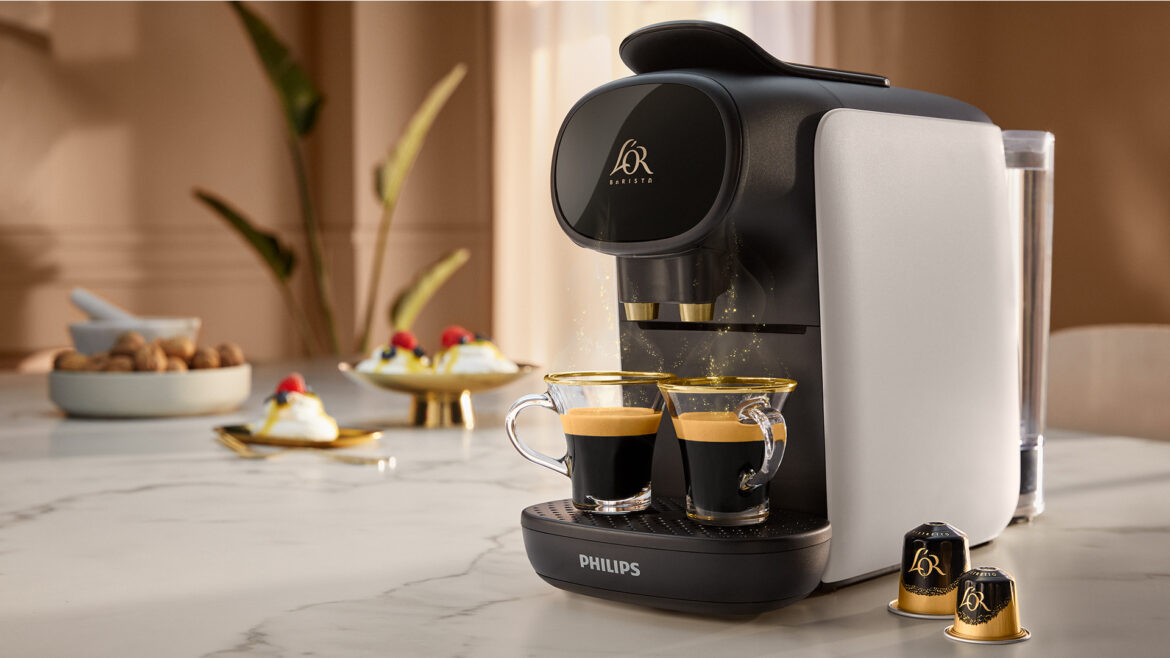
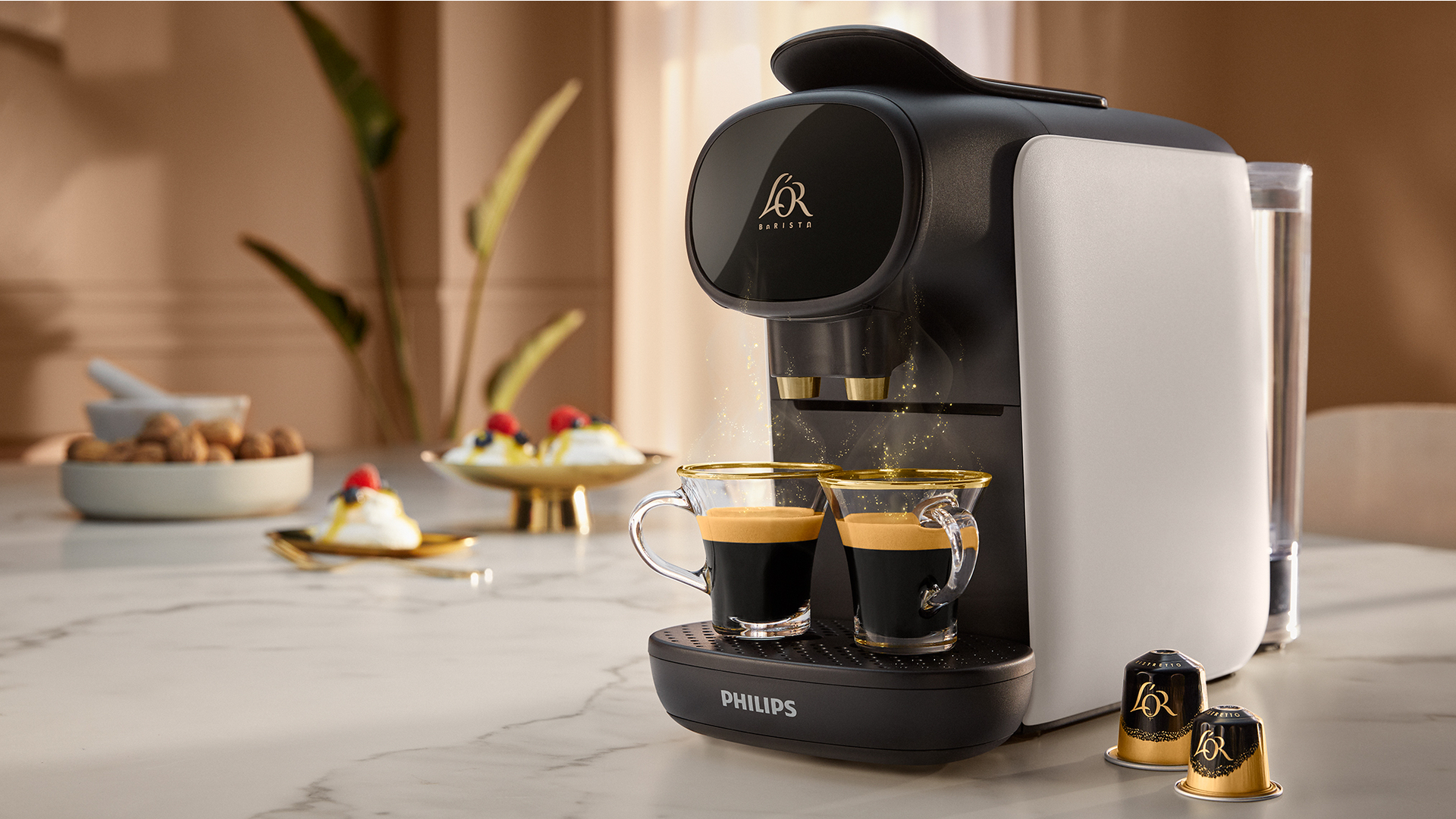
A capsule machine solves this problem at the source. Because the grind, dose and extraction pressure are fixed by the capsule design, the shot comes out at the right strength every time. There is no variable to get wrong before the milk stage even begins. L’OR Espresso capsules designed for use as a base in milk drinks are formulated with this in mind enough roast intensity and body to hold their character once milk is folded in, without tipping into bitterness when consumed black.
Choosing the Right Capsule for Milk-Based Drinks
Not all espresso coffee capsules perform equally well as a base for milk drinks. Lighter roasts with high acidity can taste sharp and sour once diluted by milk, particularly with larger drinks like a 200ml latte. Medium-to-high intensity capsules, those sitting between seven and nine on a ten-point scale, tend to produce shots with enough body and roast depth to remain present through steamed milk.
Ristretto-style capsules, which produce a shorter, more concentrated shot, work especially well for flat whites and small lattes where the ratio of espresso to milk is more balanced. A ristretto pulled from a high-quality capsule and paired with 80–100ml of correctly textured milk produces a flat white that is difficult to distinguish from what a café espresso machine would make. L’OR Espresso covers both shorter and longer extraction formats, giving home drinkers the flexibility to match the capsule to the milk drink they want to make.

Milk Temperature and Texture The Overlooked Variable
Even with a perfect espresso coffee base, the milk can undermine the result. Overheated milk loses its natural sweetness and develops a flat, almost cooked taste. Under-heated milk does not integrate properly and separates in the cup. Correctly textured milk should sit between 60 and 65 degrees Celsius, with a microfoam consistency that pours smoothly and blends with the shot rather than sitting on top of it.
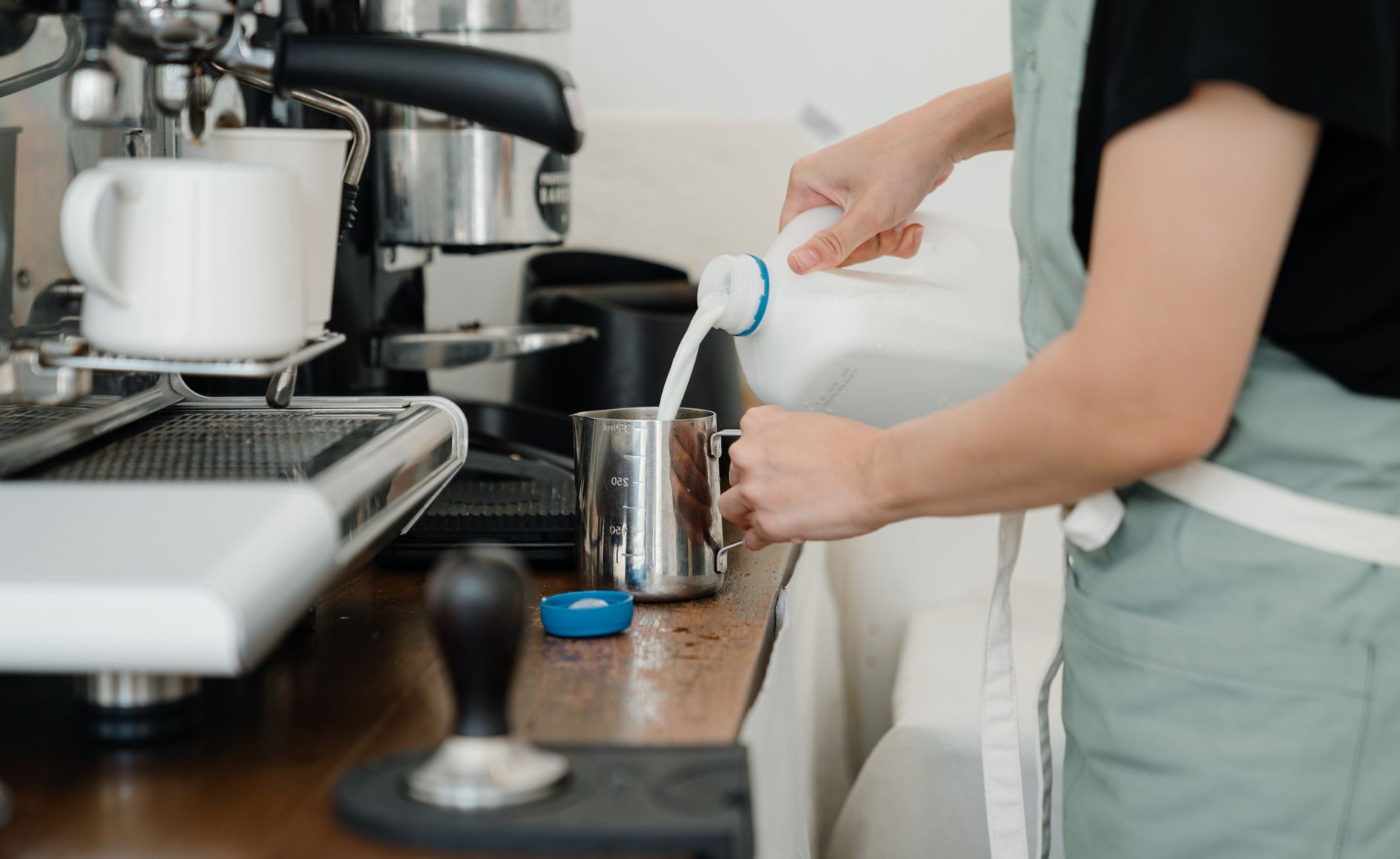
Manual steam wands produce the best milk texture, but they require practice. Electric milk frothers and automatic steam attachments have become much better in recent years and produce acceptable results for most home applications. The key is to avoid overheating remove the milk from the heat source as soon as it feels too warm to hold the container comfortably. That temperature judgment is more reliable than timing and it becomes instinctive quickly.
Cappuccino, Flat White and Latte What Actually Differs
These three drinks are often treated as interchangeable, but the differences are meaningful and affect which capsule and which milk approach works best for each. A cappuccino traditionally uses equal parts espresso, steamed milk and foam, producing a stronger coffee flavor in a smaller volume. A flat white uses more milk relative to the shot, around twice the volume, with minimal foam, which results in a creamier texture and a somewhat less intense coffee character. A latte uses the most milk of the three and produces the mildest coffee flavor.
- Cappuccino approximately 30ml espresso, 60ml steamed milk, foam on top to fill the cup.
- Flat white 30ml ristretto or double shot, 90–100ml steamed milk with minimal foam.
- Latte 30ml espresso, 150–180ml steamed milk, thin layer of foam.
- Macchiato espresso with just a small dollop of foam, minimal milk.
- Cortado equal parts espresso and warm milk, less foam than a cappuccino.
Dairy Alternatives and How They Change the Result
Oat milk has become the dominant dairy alternative in coffee culture and for good reason. It froths well, integrates smoothly with espresso and has a neutral sweetness that complements rather than competes with the coffee. Barista-specific oat milk formulations are designed to handle the heat of steaming without separating, which standard oat milk often does.
Almond milk and soy milk are more variable. Almond milk tends to produce lighter, less stable foam and can taste thin in larger drinks. Soy milk performs better structurally but has a stronger flavor of its own that not everyone finds compatible with espresso. For home drinkers experimenting with dairy alternatives, oat milk is the most reliable starting point for replicating café-quality milk drinks. The quality of the espresso coffee base remains the constant throughout.
Building a Home Milk Drink Routine That Works
The barrier to making good milk drinks at home is mostly in the setup phase identifying the right capsule for the drink style, acquiring a milk frothing tool that produces consistent results and learning the temperature window for the milk. Once those three variables are sorted, the process takes under three minutes from start to finish.
Most people who put in the effort to get these basics right find they stop visiting cafés for their morning latte within a few weeks. The espresso coffee from a quality capsule combined with properly textured milk at home produces a cup that satisfies the same craving at a fraction of the cost. L’OR Espresso is a consistent and reliable foundation for building that kind of home coffee routine.
Good milk drinks at home are more achievable than most people assume. Start with the right espresso coffee capsule, pay attention to the milk and the rest follows naturally. L’OR Espresso gives you the base to make it happen.