Setting up a home gym used to mean compromising on equipment quality or accepting that machines would dominate a room. That has changed. Compact, well-built fitness equipment is now accessible at price points that make it sensible for anyone with a spare corner and the motivation to use it. MERACH has built a range of rowing machines and exercise bikes that fits this shift, offering machines designed for real home environments rather than commercial gym floors.
Why Rowing Machines Deserve More Attention
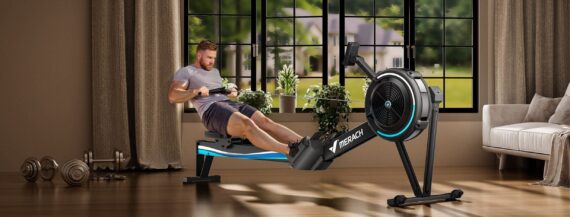
Rowing is one of the most complete forms of cardiovascular exercise available. Unlike running or cycling, it engages both the upper and lower body simultaneously, distributing the workload across the legs, back, arms and core. This makes it genuinely efficient, a thirty-minute rowing session works more muscle groups than most cardio alternatives of the same duration.
For people who want to improve cardiovascular fitness without stressing the joints, rowing is also a low-impact option. The smooth pull-and-drive motion is gentler on the knees and ankles than running, which makes it a practical choice for anyone recovering from lower-body strain or simply looking for longevity in their training. MERACH rowing machines use a magnetic resistance mechanism, which keeps the operation quiet enough for an apartment and removes the maintenance demands of water or air resistance alternatives.
Exercise Bikes Consistency Over Everything
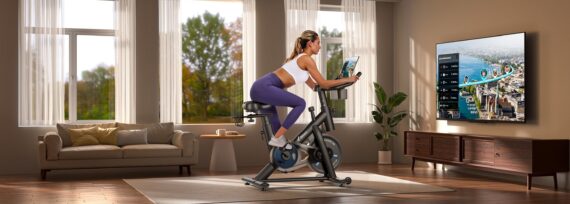
The enduring appeal of exercise bikes is straightforward they are easy to use, they do not require a warm-up period and they fit well into a daily routine that might only have twenty minutes to spare. You can ride while watching something on a screen, track your output accurately and adjust intensity without breaking stride.
Stationary bikes come in several configurations. Upright bikes replicate the feel of road cycling and tend to be compact. Recumbent bikes provide back support and a more relaxed seating position, which suits people with lower back sensitivity. Spin-style bikes offer a more aggressive riding position closer to a road bike geometry, designed for higher intensity sessions. The choice depends on how the machine will actually be used day to day. MERACH covers multiple configurations across its bike range, with each designed to take up minimal floor space without sacrificing stability.
Key Specifications That Actually Matter
Marketing numbers for home gym equipment can be misleading. Maximum user weight, flywheel weight and resistance levels all get quoted prominently, but what matters more in practice is build quality, feel during use and how well the machine holds up over years of regular sessions.
- Magnetic resistance systems are quieter and require less maintenance than friction-based ones
- Flywheel weight above 8 kg generally provides a smoother pedalling motion on bikes
- Adjustable seat height and handlebar position matter as much as resistance range
- A solid, non-slip base prevents movement during intense sessions
- Built-in monitors showing cadence, distance and calories help sustain motivation over time
Noise is a practical concern for anyone living in a flat or training at hours when others are sleeping. Magnetic resistance systems, which MERACH uses across its line, operate without the friction noise that older designs produce. This is not a minor detail, it determines whether the machine gets used at 6am without waking the household.
Space Considerations for Home Setups
Commercial gym machines are built without regard for room dimensions. Home fitness equipment needs to work in the actual space available, which is often limited. Rowing machines typically fold vertically for storage, reducing the floor footprint when not in use. Exercise bikes have a smaller base than treadmills and can often fit alongside other furniture without dominating the room.
Before purchasing, measuring the space is worth doing properly, not just the floor area but also the ceiling height for rowing machines and the clearance needed around a bike to use it comfortably. A machine that is awkward to access in the space will be used less, regardless of its quality.
Building a Sustainable Training Habit with Home Equipment
The best home fitness machine is the one you actually use. That sounds obvious, but equipment choice has a real effect on adherence. Machines that require a significant setup process before each session, that are noisy enough to require planning around other people or that are uncomfortable to use tend to collect dust.
Simplicity matters. A rowing machine or bike that is ready to use in seconds, operates quietly and provides enough feedback to track progress removes most of the friction that causes people to skip sessions. Starting with two or three sessions a week and building from there is more sustainable than ambitious daily plans that last a fortnight. The equipment should support consistency, not demand it from the first week.
Getting the Right Machine for Where You Are in Your Fitness
Someone returning to exercise after a long break needs different equipment characteristics than someone training regularly who wants to add a cardio option at home. Entry-level machines with a moderate resistance range and straightforward controls are easier to build a habit around. More advanced setups with wider resistance ranges, connectivity for training apps and detailed performance tracking suit people who already know what they want from a session.
Both categories are well represented in what MERACH produces, with machines at different price points that reflect genuine differences in specification rather than just branding. Matching the machine to your current training level, rather than the level you plan to reach, is usually the more practical decision.
Home fitness equipment works best when it removes barriers rather than creating them and choosing the right machine from the start makes that far more likely.